Must See Milan 2026: What Held Up
Checking in on our pre-Salone recommendations
Textile Highlights from Salone
Even with years of attending Salone, you never really know how an installation will land until you’re standing in it. As work begins on our full Milan report, these are a few early thoughts on the textile moments we were most excited to see—and how they delivered in person.
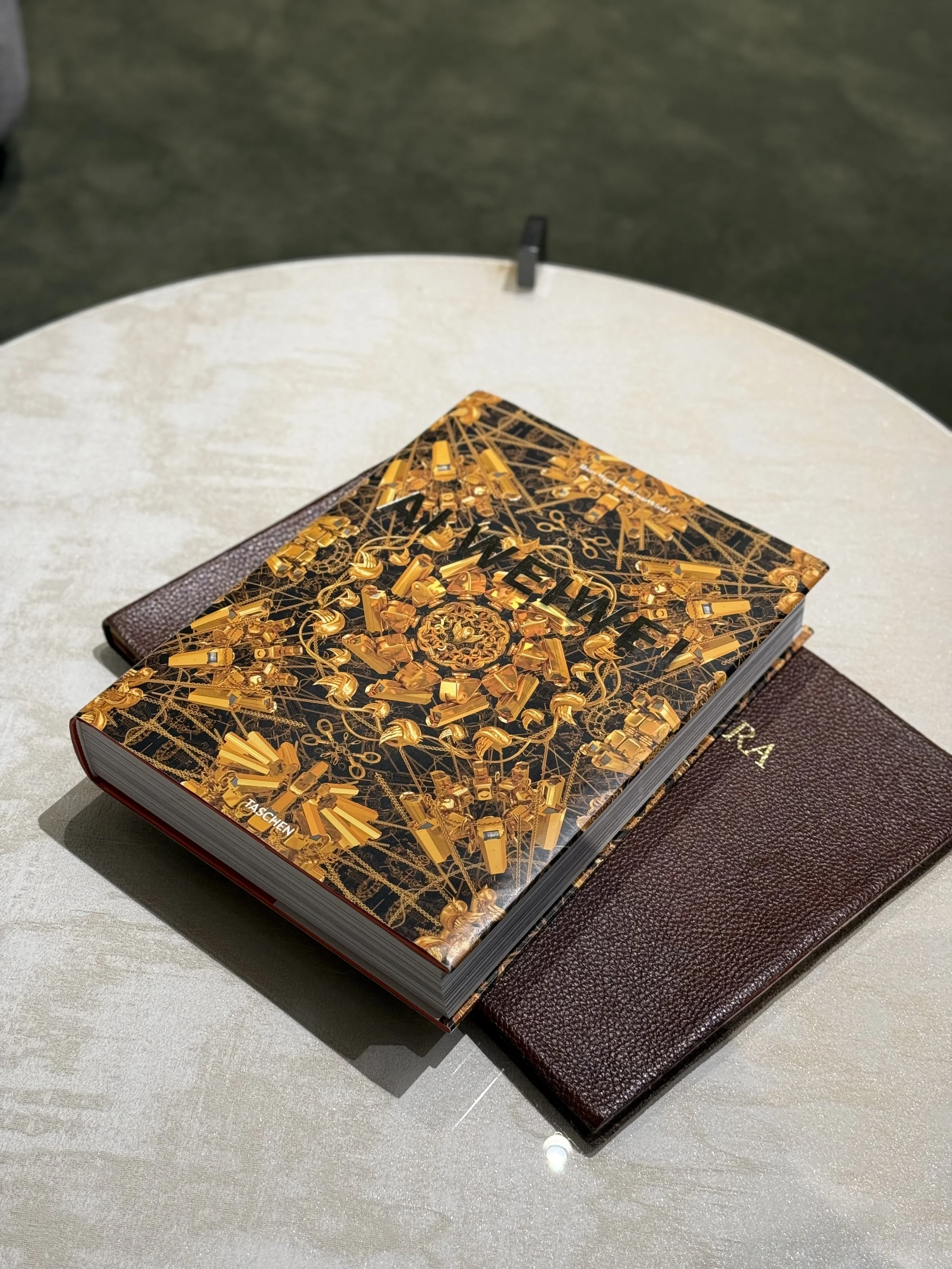
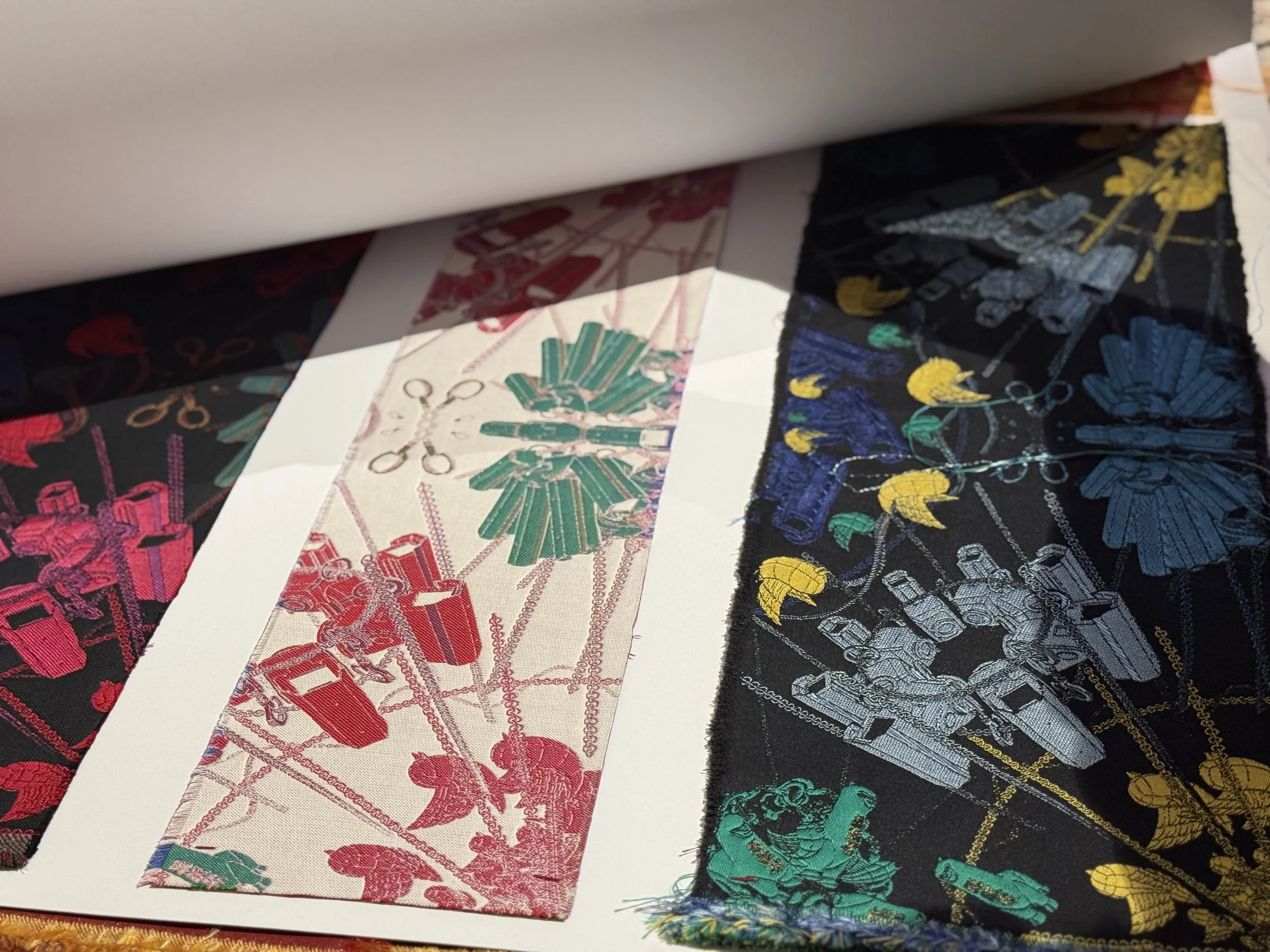
Ai Weiwei: About Silk at Rubelli
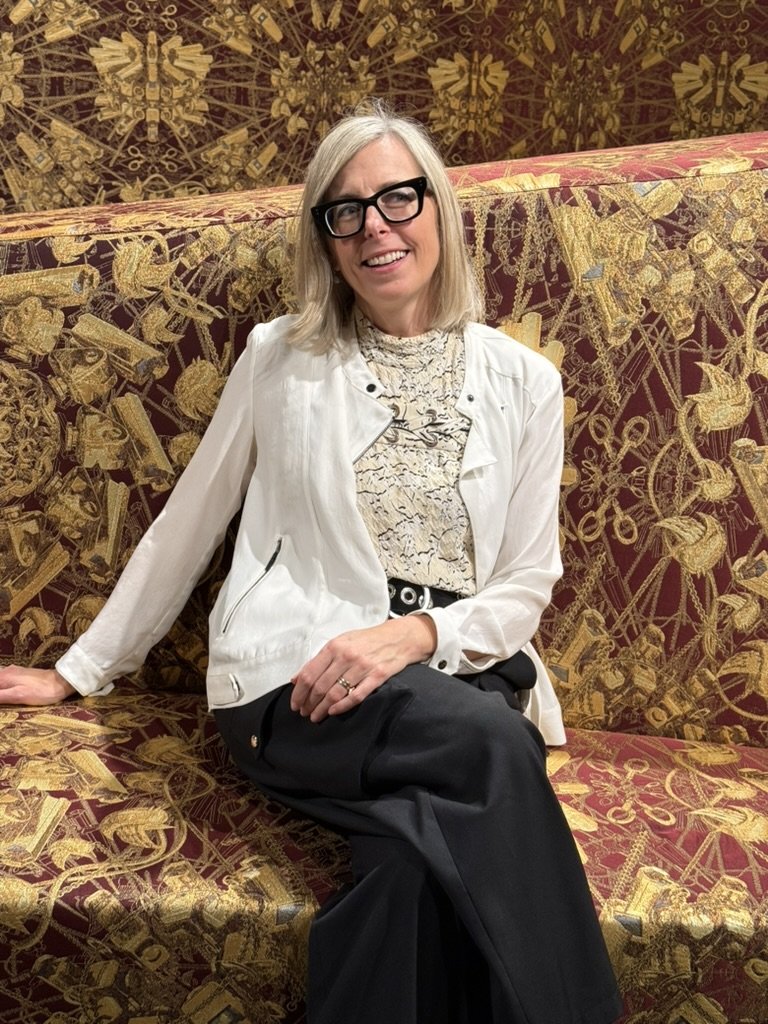
As a longtime admirer of both Ai Weiwei’s politically oriented work and Rubelli’s mastery of silk, this collaboration was always going to be compelling—but seeing it installed was really impactful.
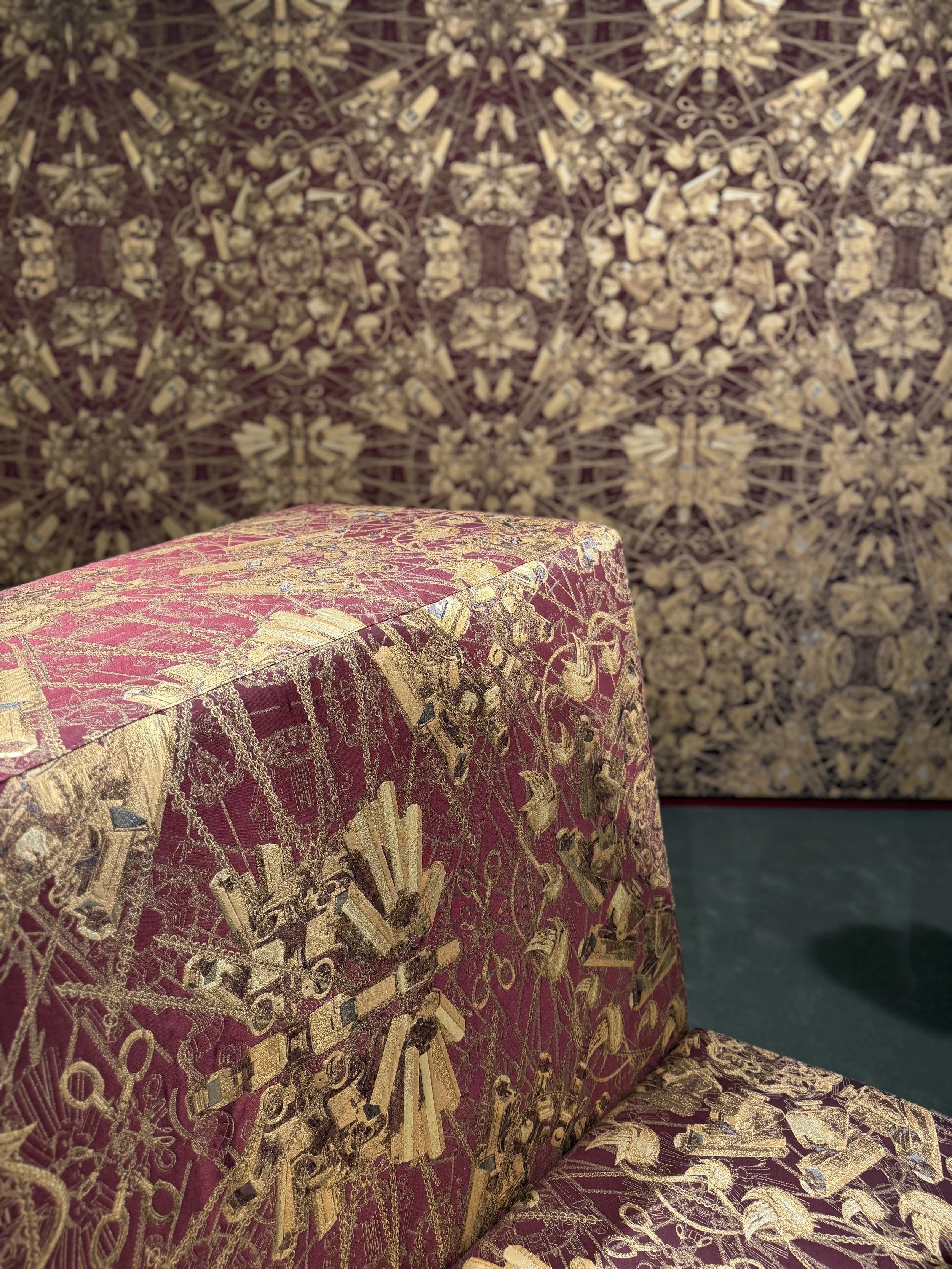
Two designs anchor the presentation. The first, a technically impressive multi-pick jacquard, reads almost kaleidoscopically at scale. Up close, you see a layered iconography of surveillance and control—cameras, handcuffs—contrasted with the Twitter bird and the alpaca, symbols of freedom of expression and resistance to censorship.
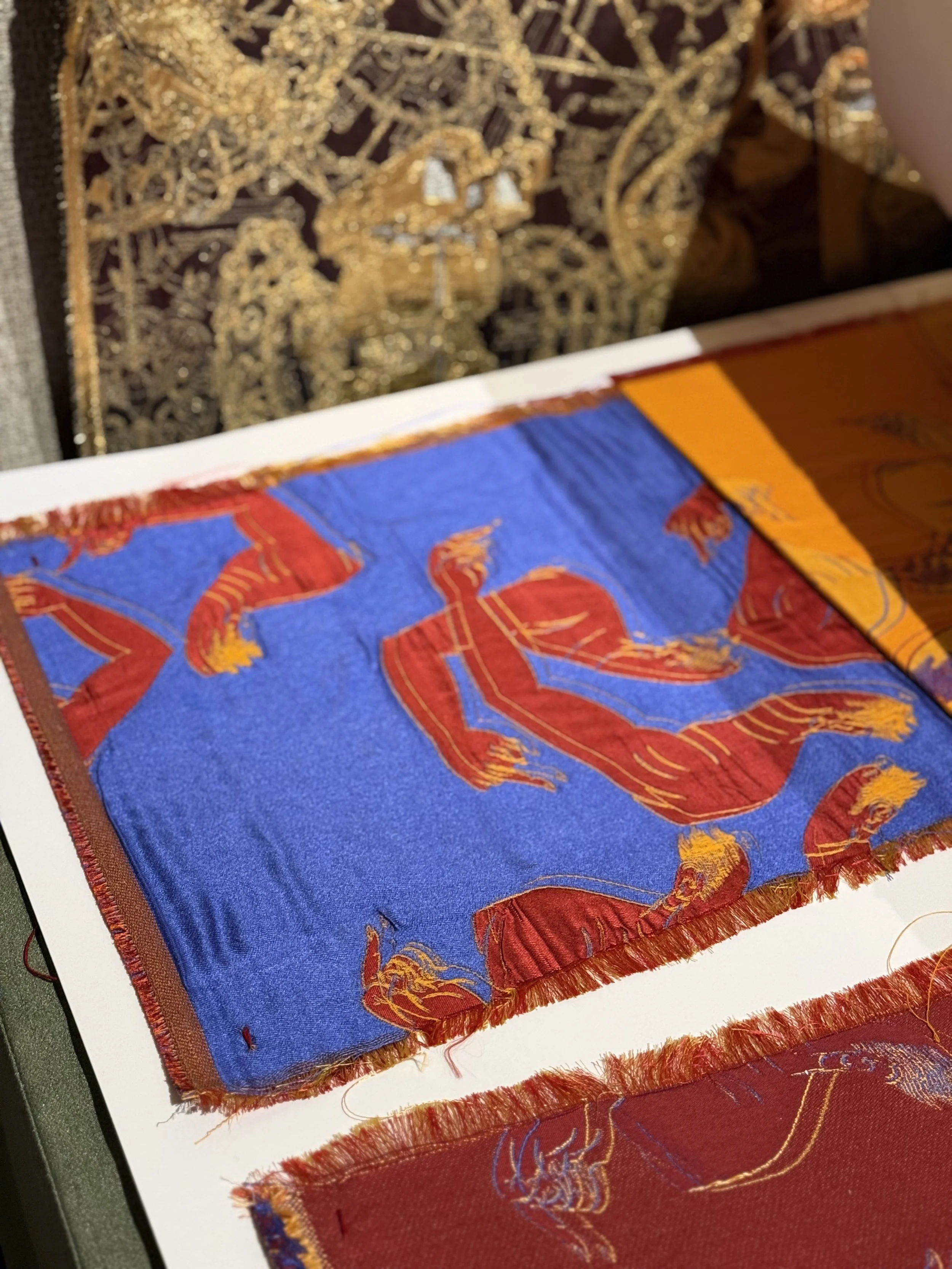
The second, Finger, takes a more direct approach: a medallion-like layout built from the artist’s now-iconic middle finger motif.
The message is unmistakable. In a moment where many brands stay carefully neutral, I found myself genuinely grateful to Rubelli for giving this work space.
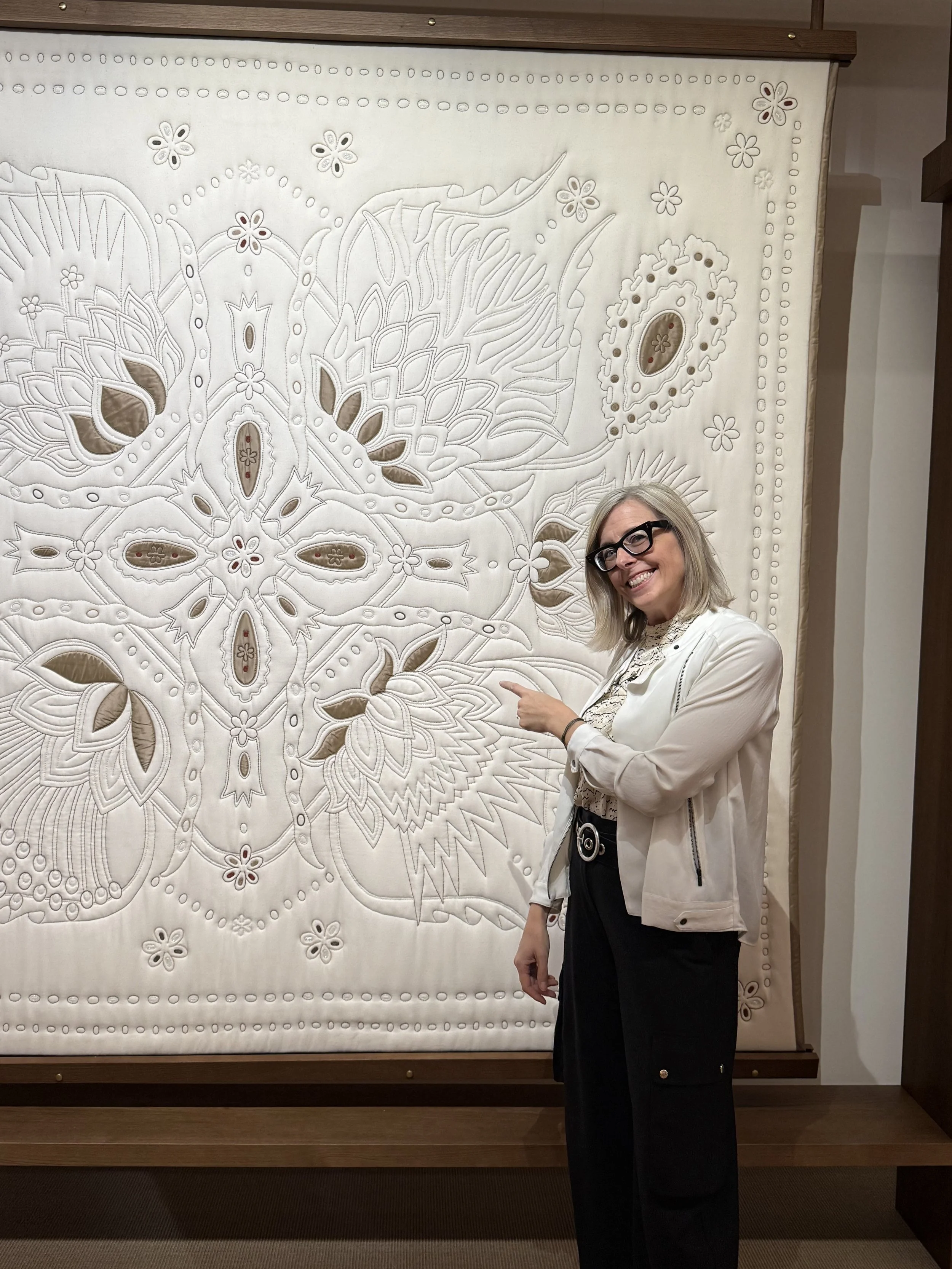
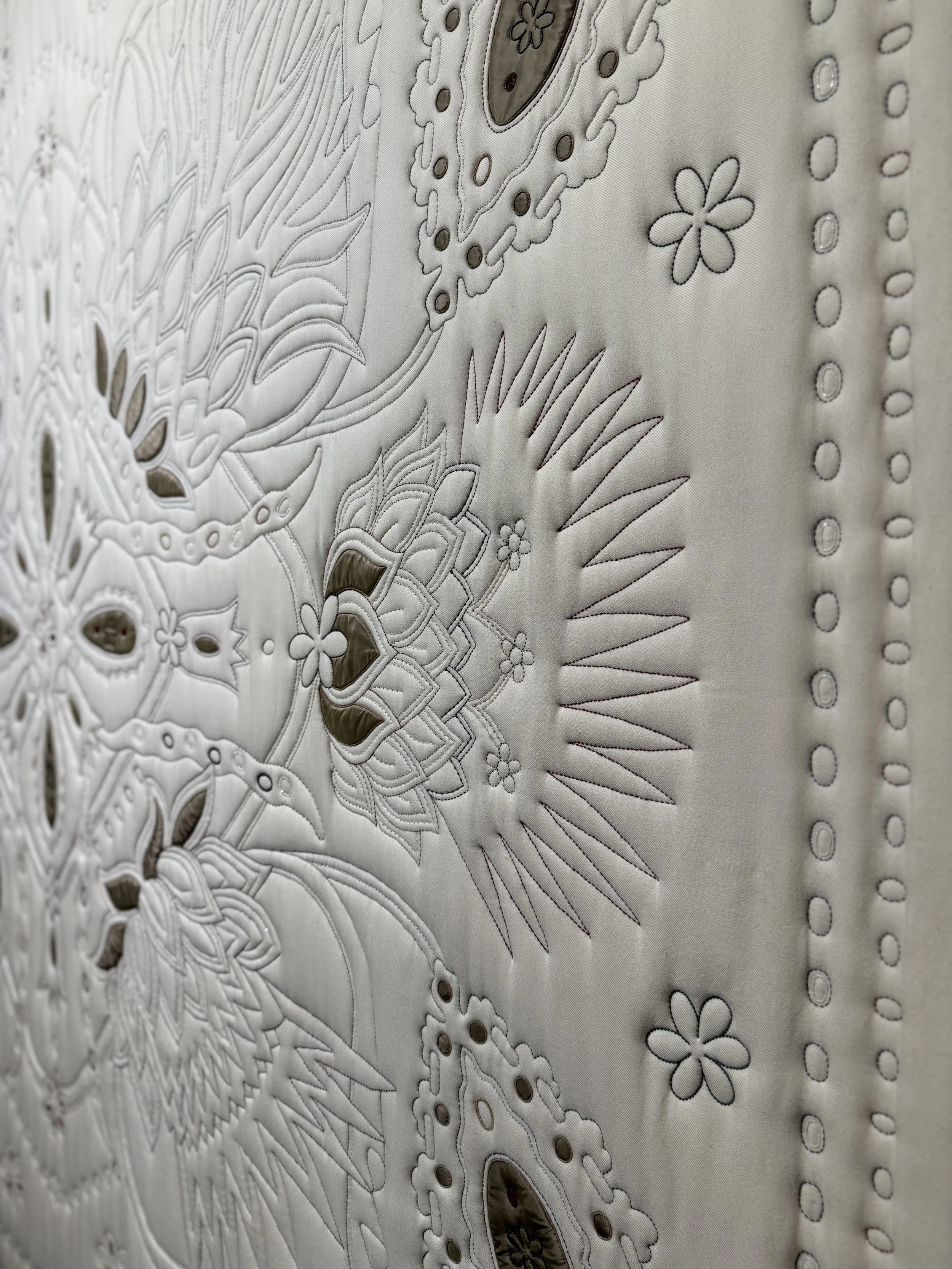
Loro Piana
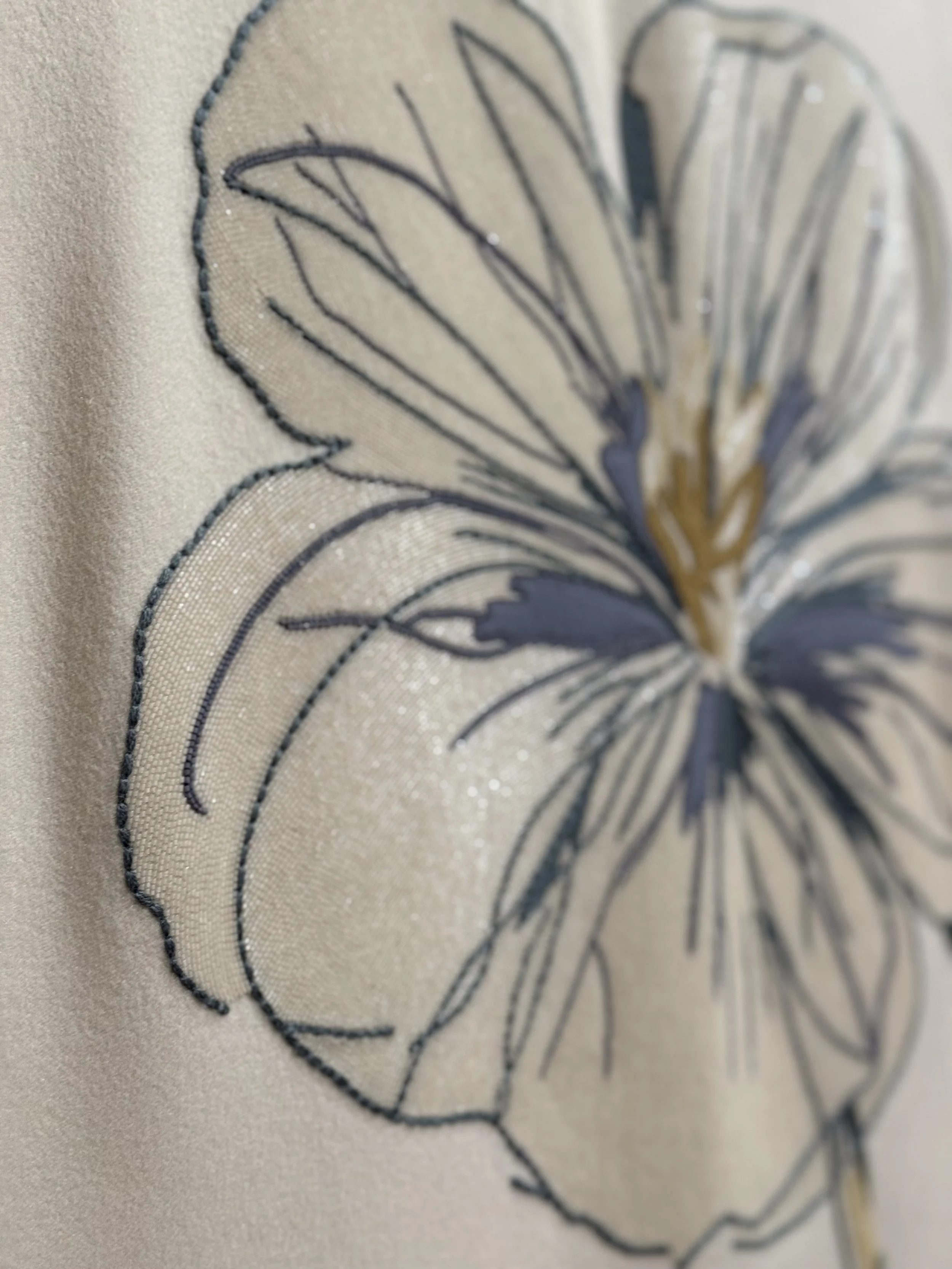
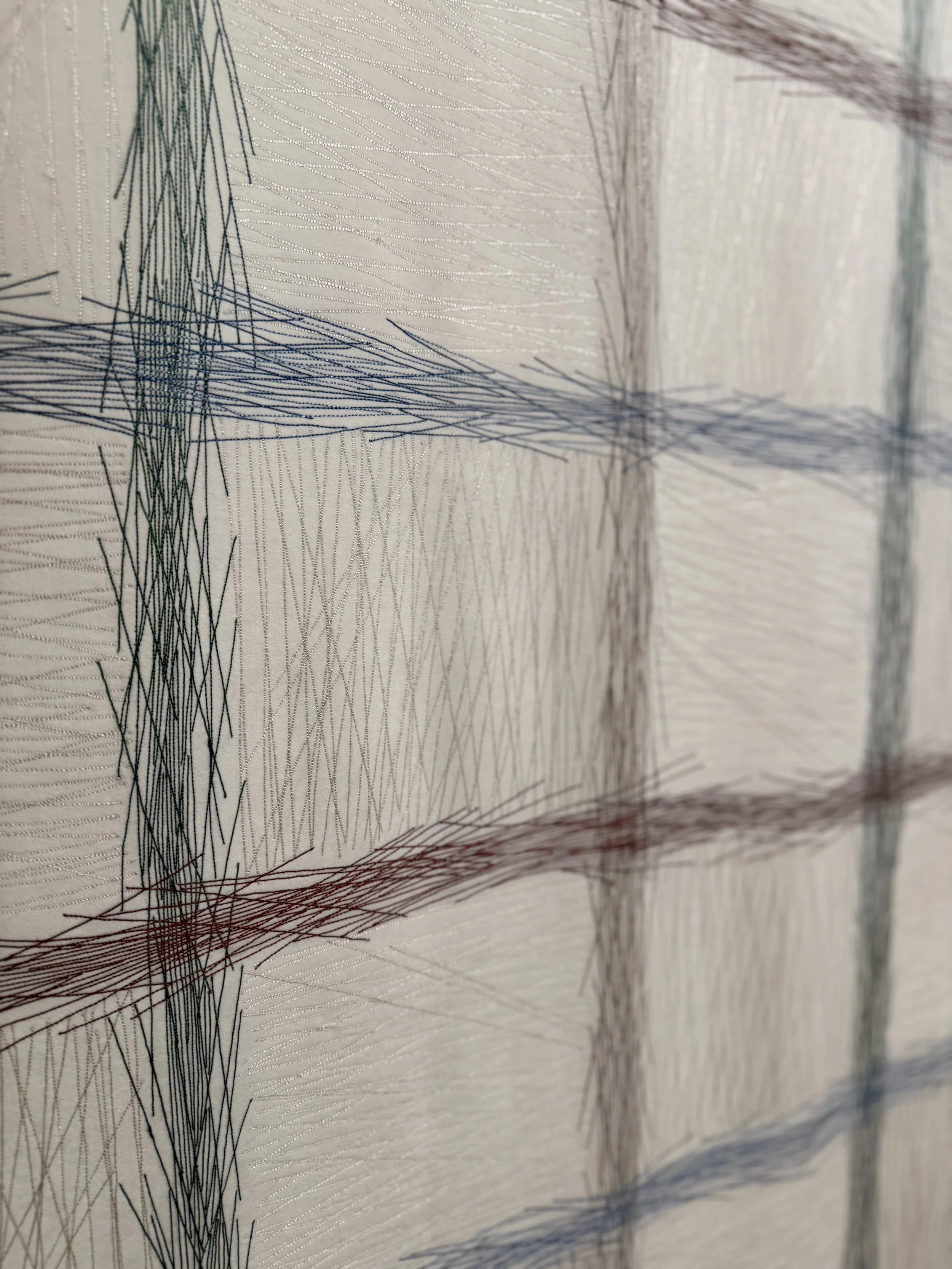
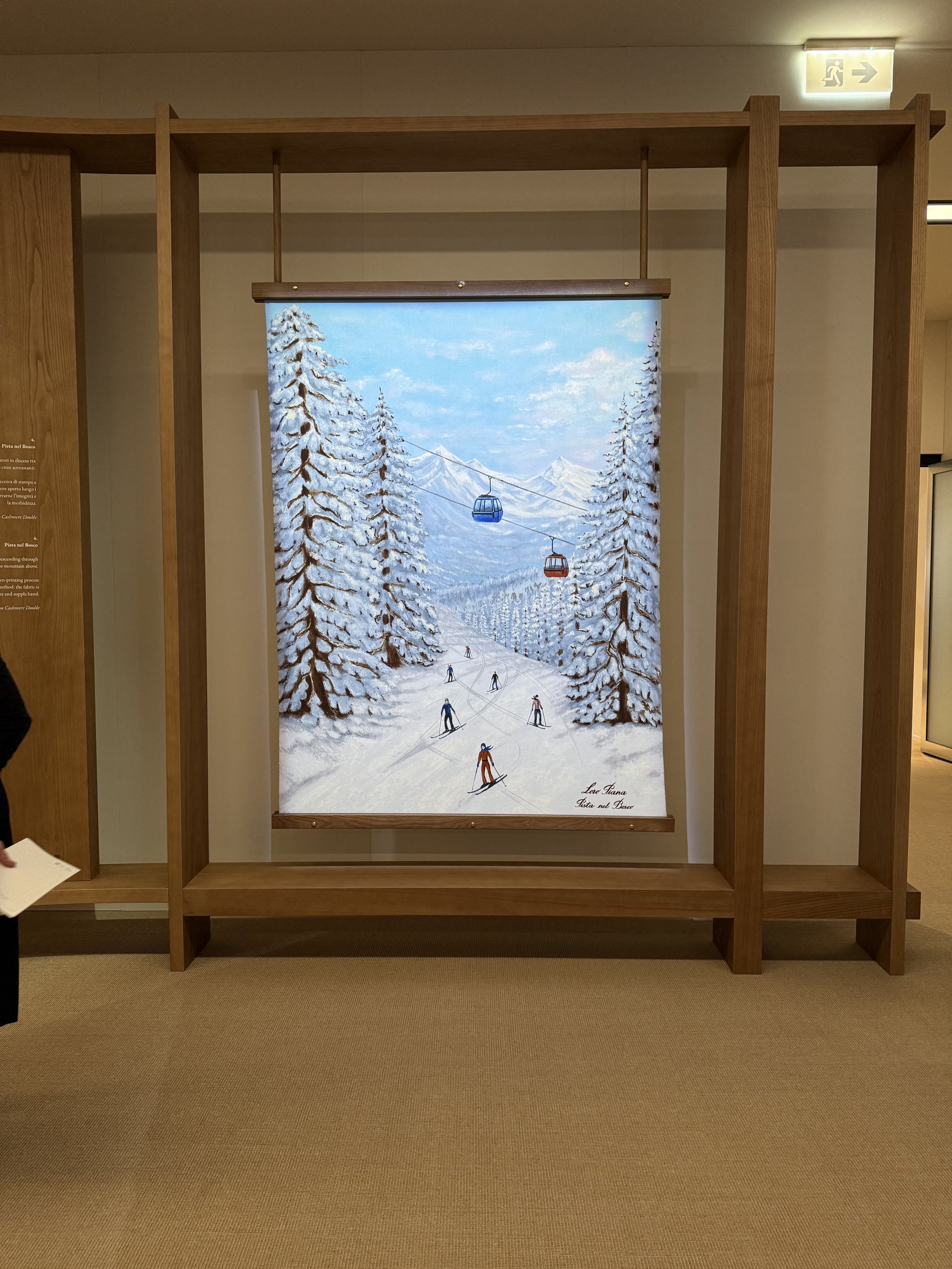
Loro Piana showed in their usual space, and as a textile nerd, I was completely blown away. Instead of bringing in a guest designer, they kept everything in-house, which made it feel even more focused.
The presentation centered on one-off pieces exploring over-the-top techniques—26-screen, hand-screen printed cashmeres, quilted trapunto, needle felting that looked like painting, and rich embroidery and beading, all pushed into more experimental territory. The imaginative use of materiality was incredible, and made even more interesting by the detailed explanations alongside each piece, giving real insight into the level of craft.
More to come on this beautiful installation in the report.
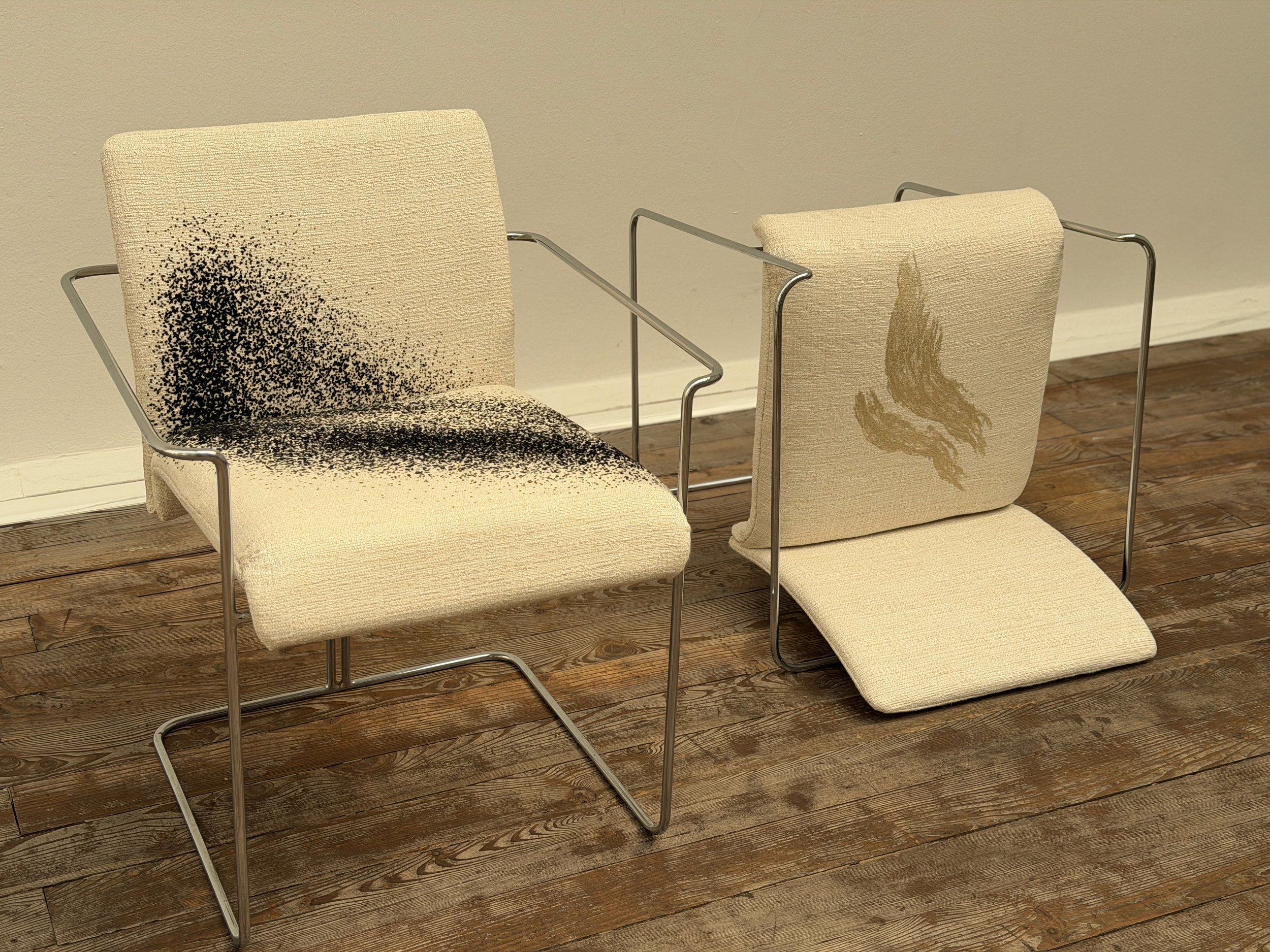
Dedar: Versi Liberi, Chapter Two
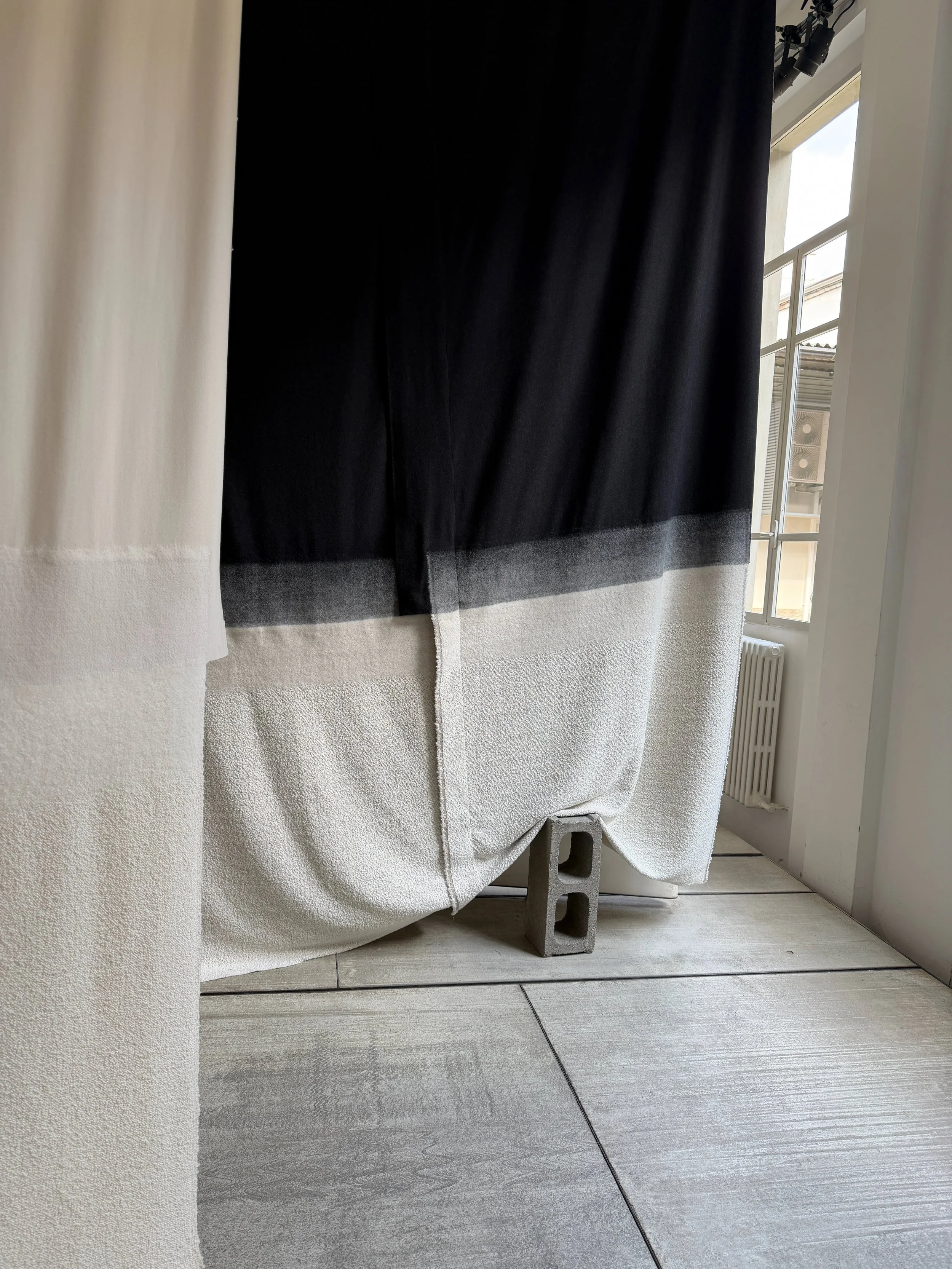
Dedar presented Versi Liberi, Chapter 2 across two spaces, both focused on engineered textile designs.
The first was a large, open, loft-like room with exposed rafters and rough wood floors, where chairs were placed almost architecturally throughout the space. Each piece used a placed design, so the textiles felt very bespoke—almost like one-offs.
The second space focused on curtain panels, where different sections of textile were combined into clean, more minimal compositions. It felt architectural, leaning into control and placement.
A strong continuation of the concept—more on this in the full report.
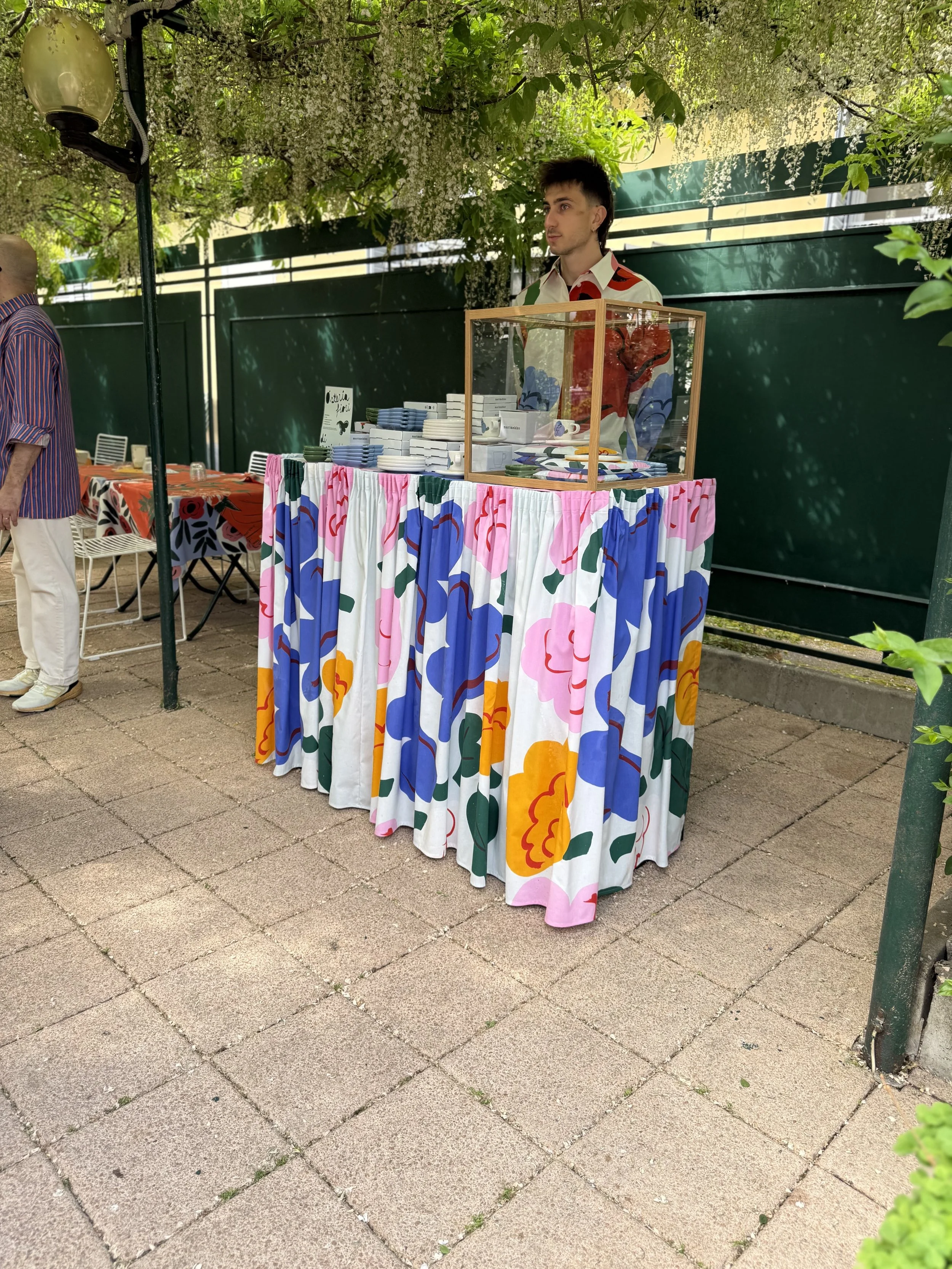
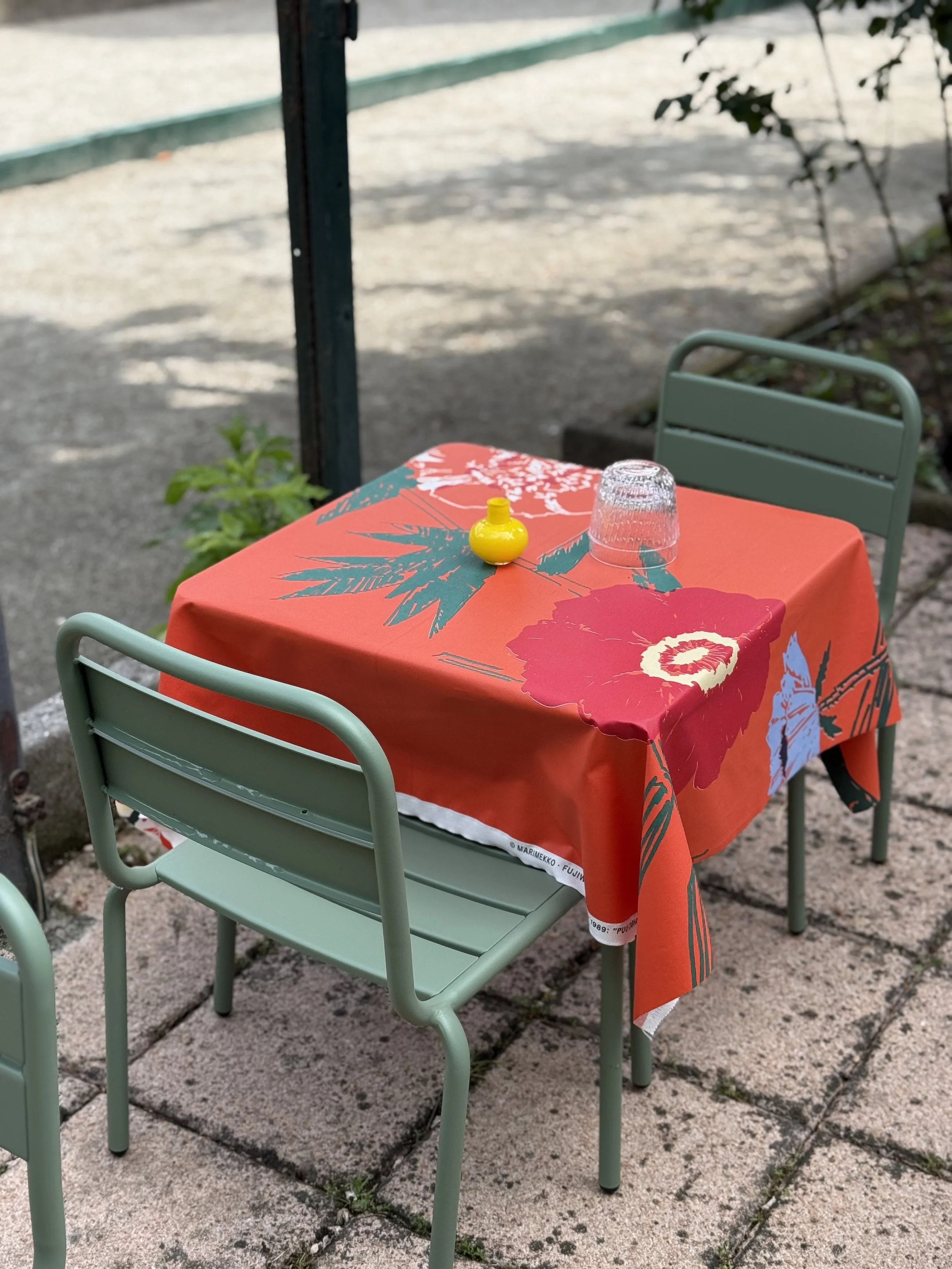
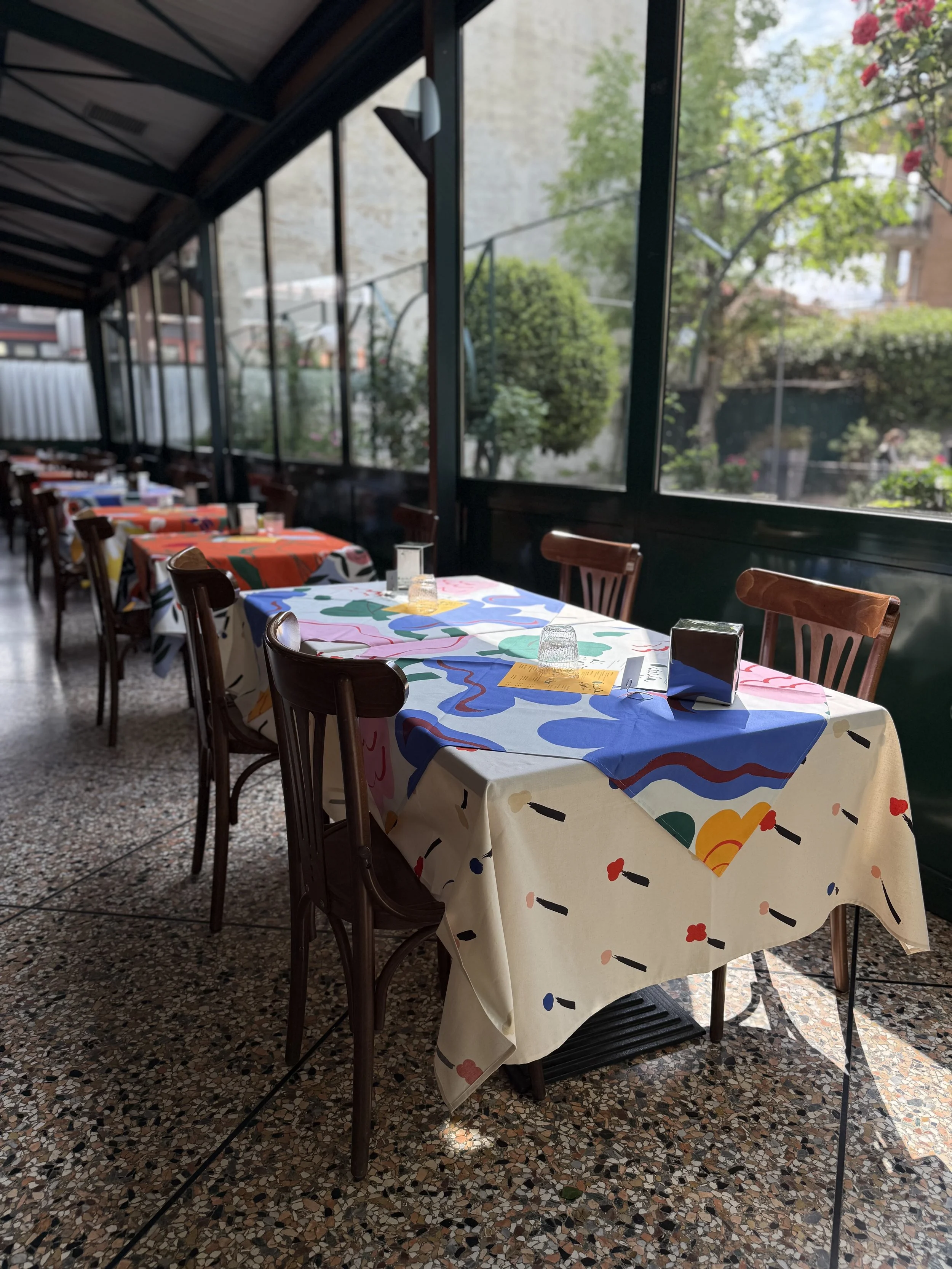
Marimekko: Osteria Fiori di Marimekko
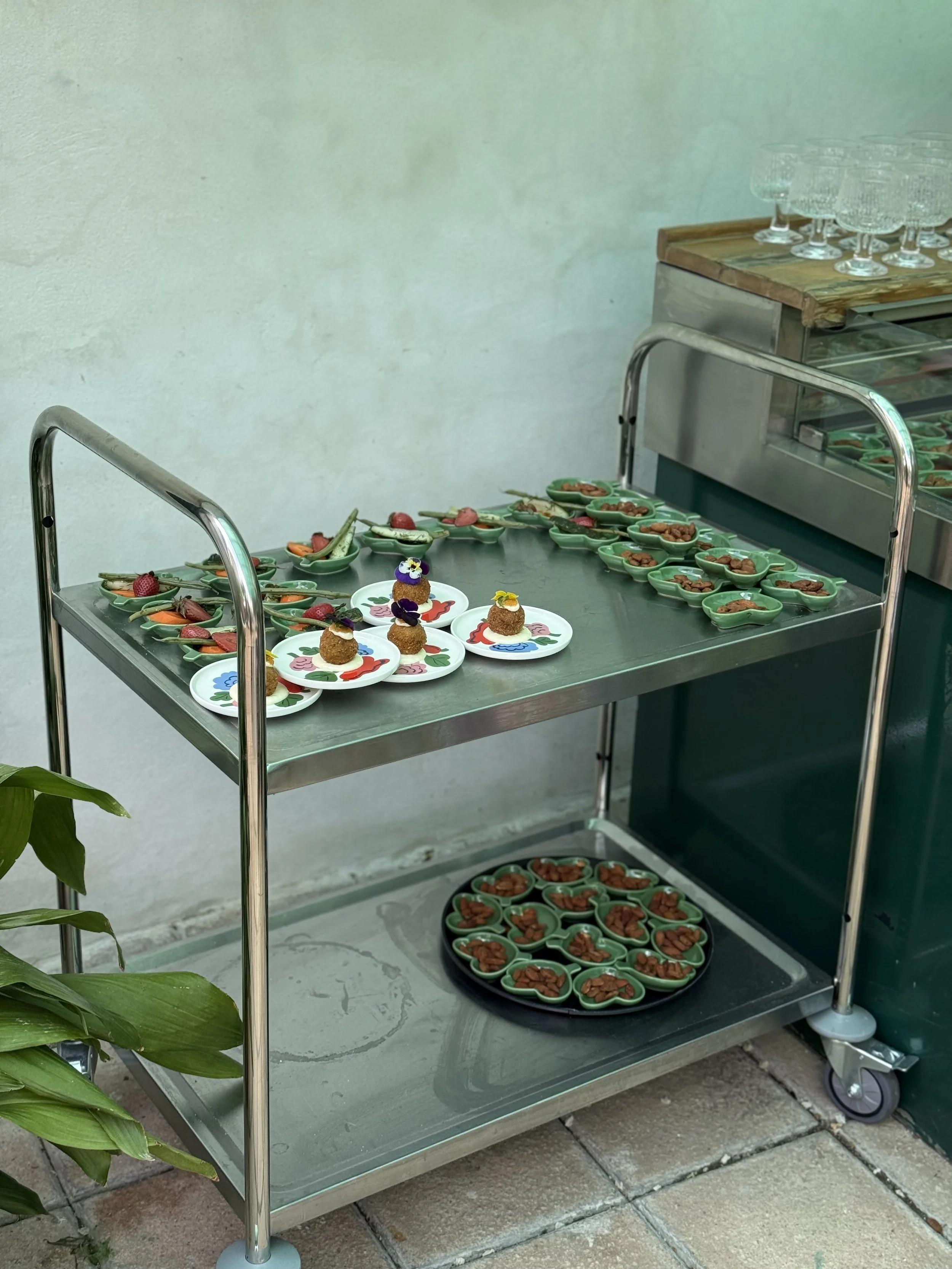
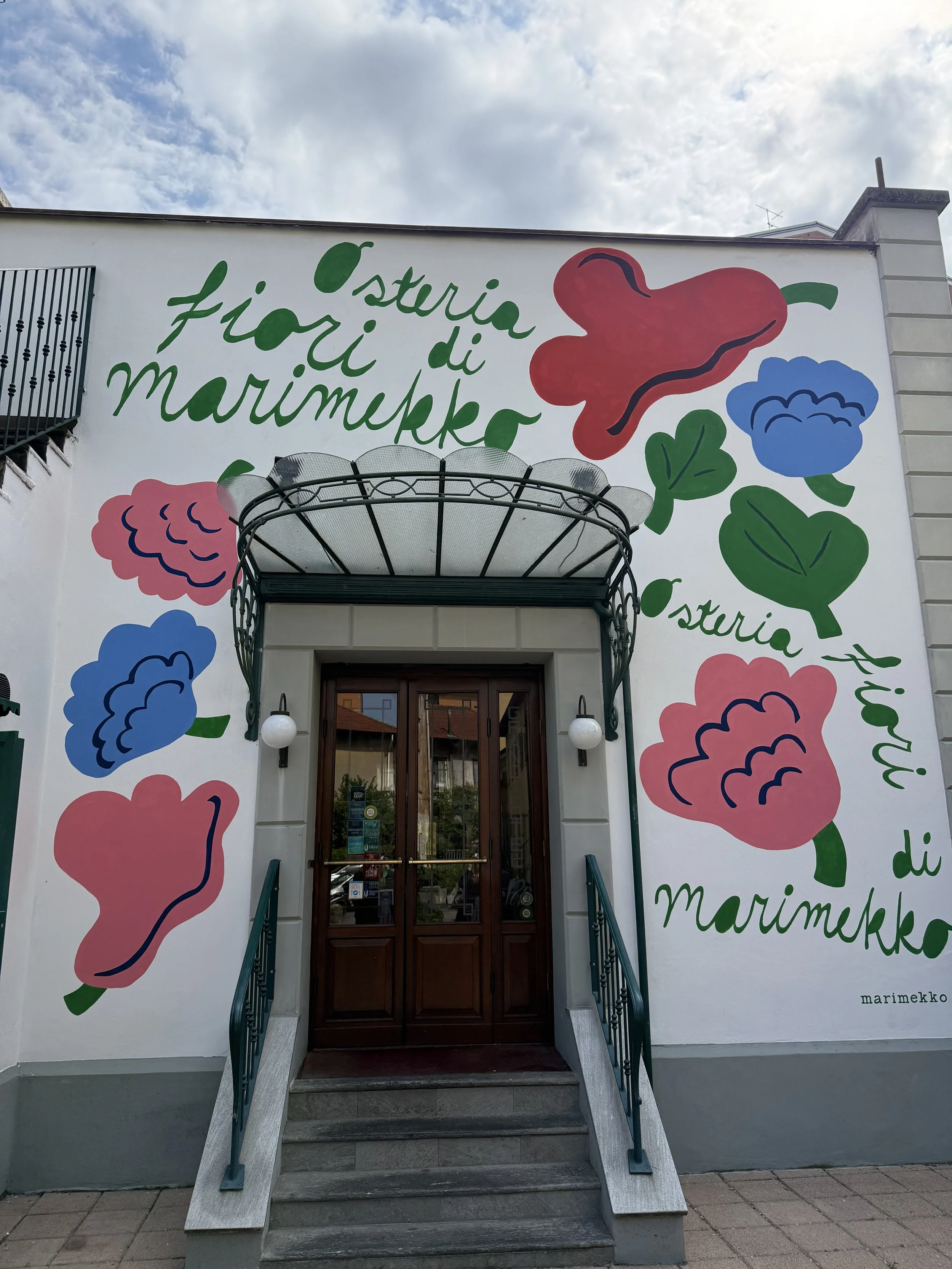
Marimekko hosted an absolutely adorable restaurant installation, bringing in a Finnish bakery to provide refreshments for guests. Colorful tablecloths, delicious snacks and drinks, and even a bocce court gave the whole space a playful, relaxed atmosphere.
The activation highlighted one of Marimekko’s newest floral designs, Kukasta Kukkaan by Erja Hirvi, which appeared throughout the space in graphic textile moments.
MoscaPartners Variations at Palazzo Litta
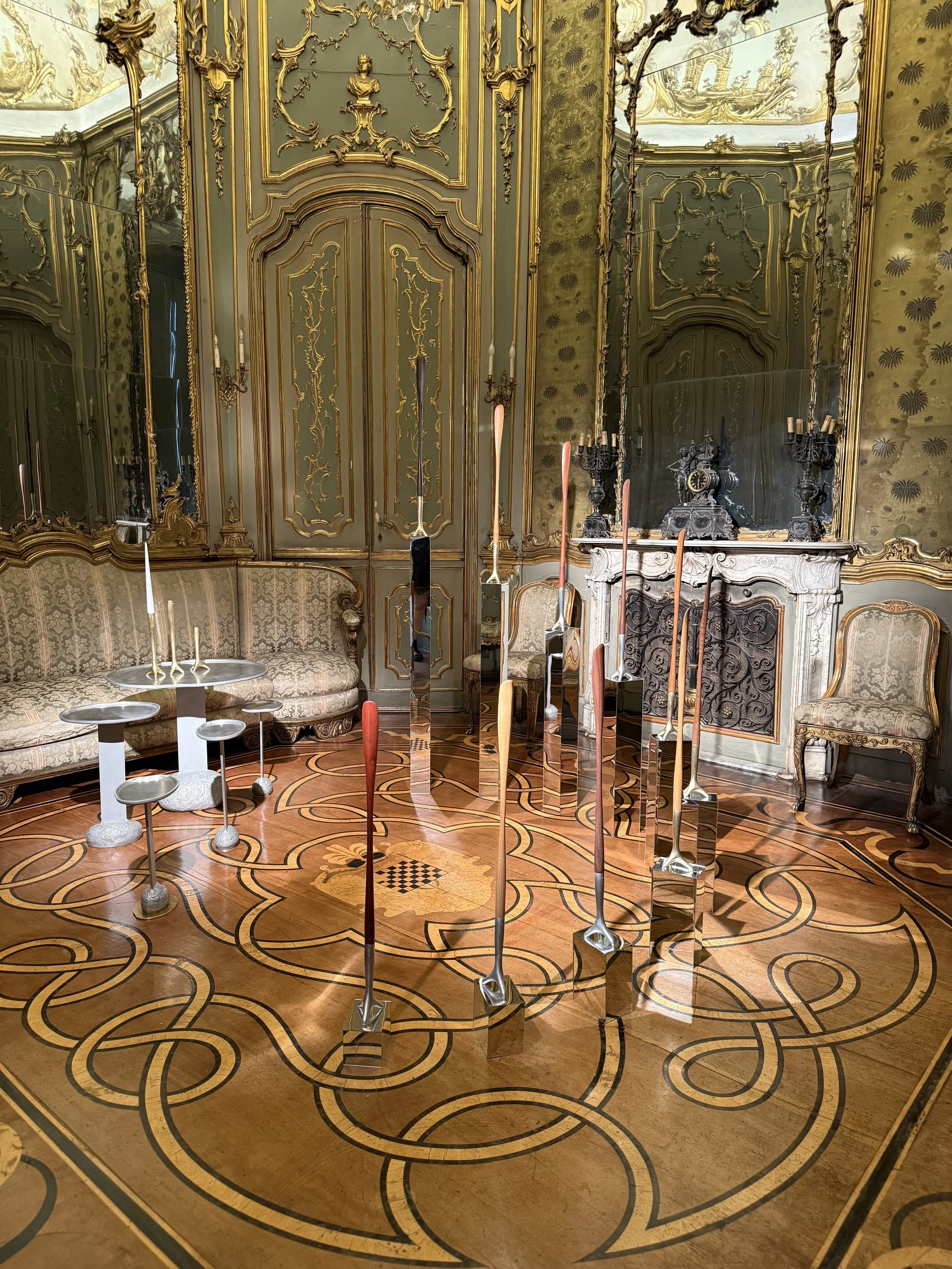
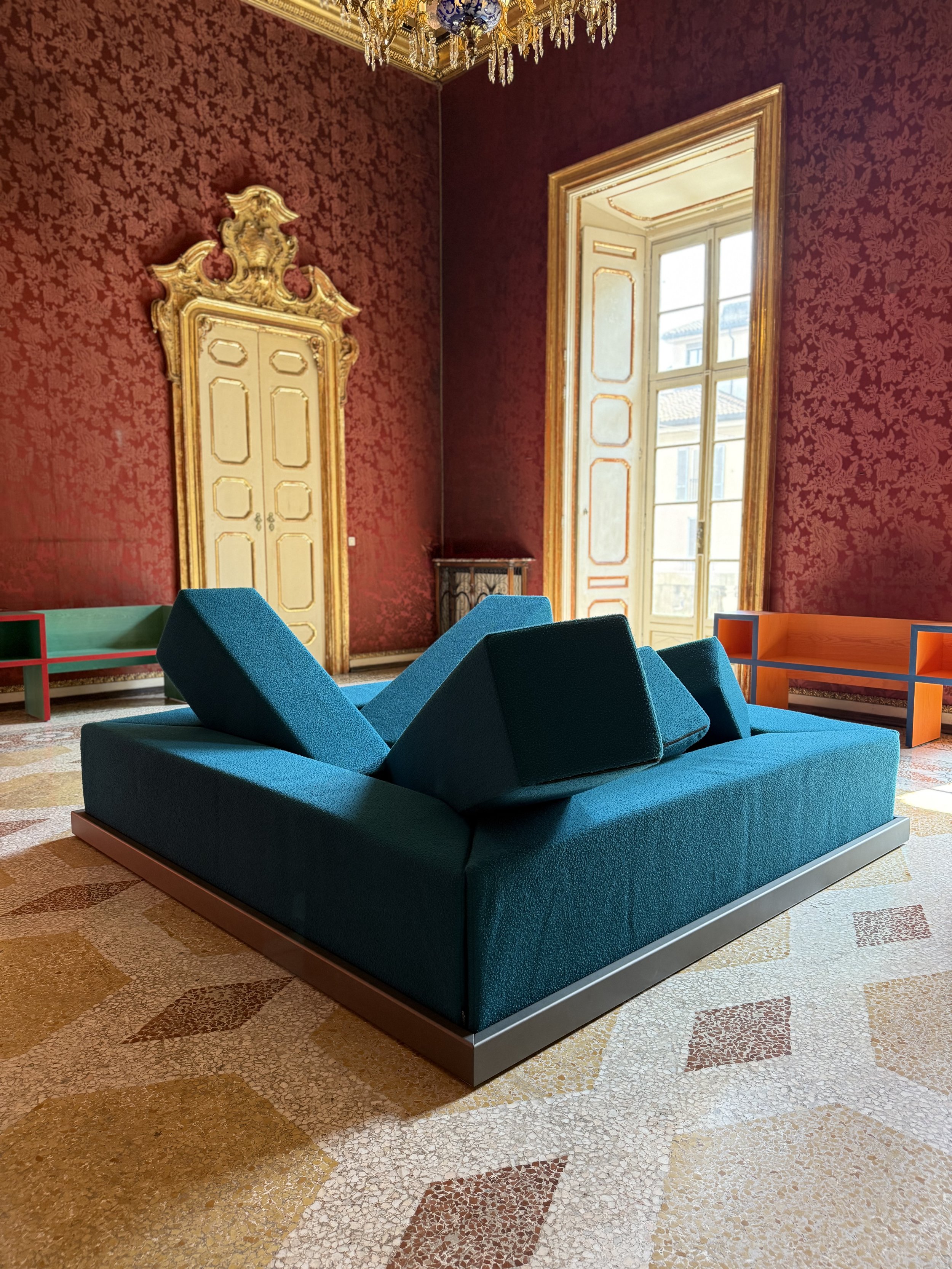
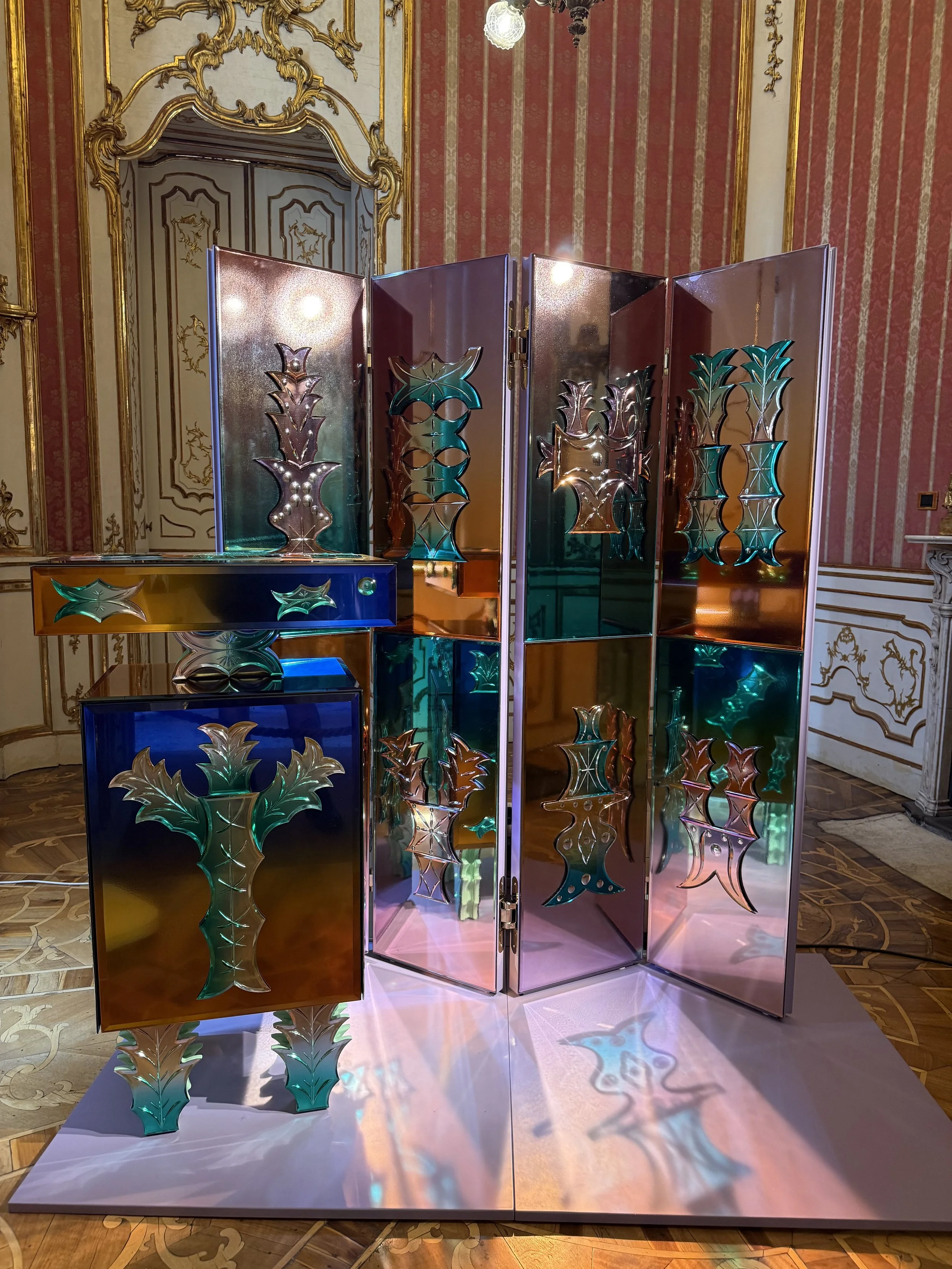
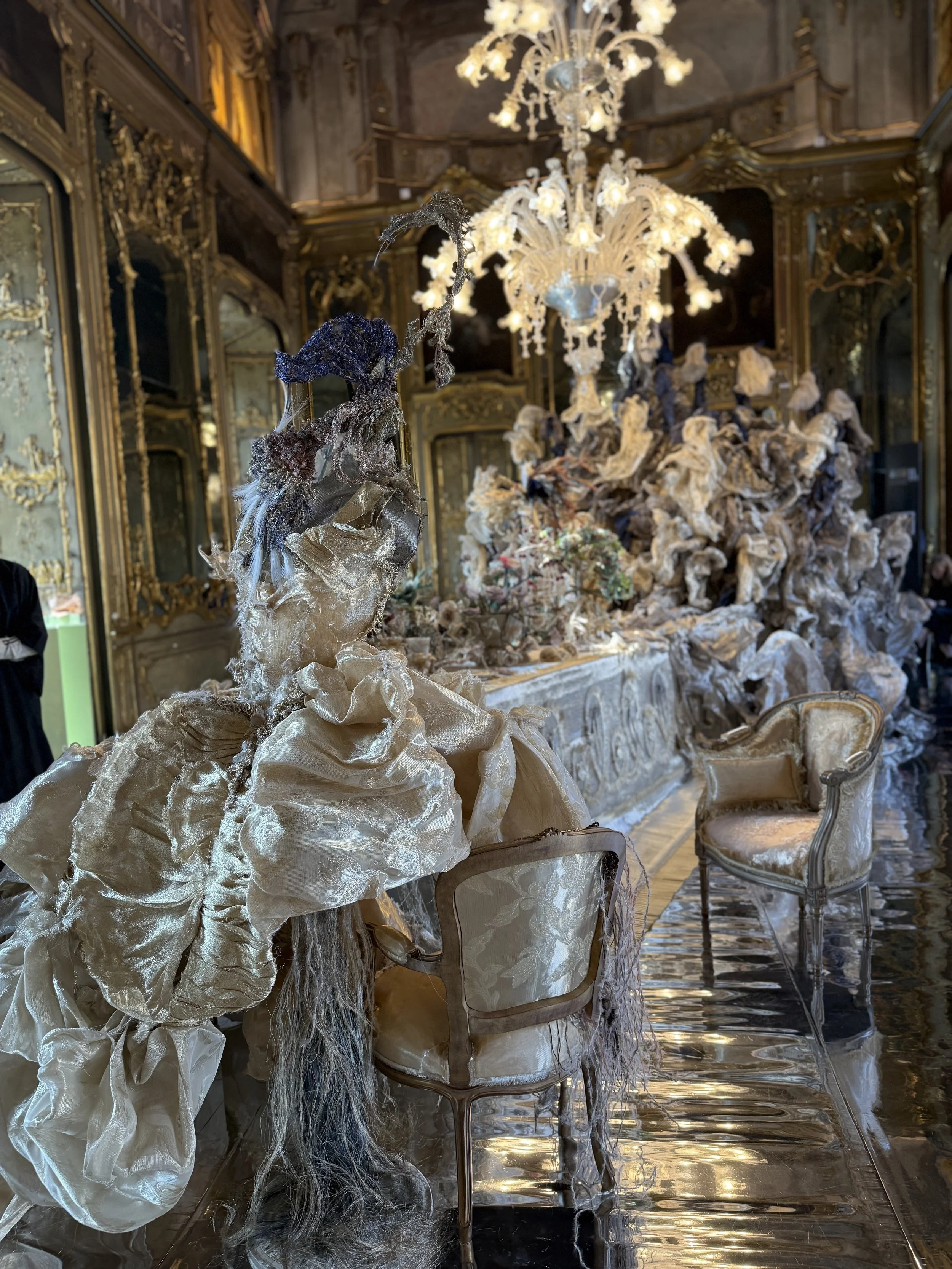
It’s always a treat to visit Palazzo Litta because the palazzo itself is just stunning—the upholstered walls, the gilt mirrors, the incredible inlaid wood floors, the boiserie. The whole experience is wonderful, and it remains one of the best places to encounter contemporary design during Salone.
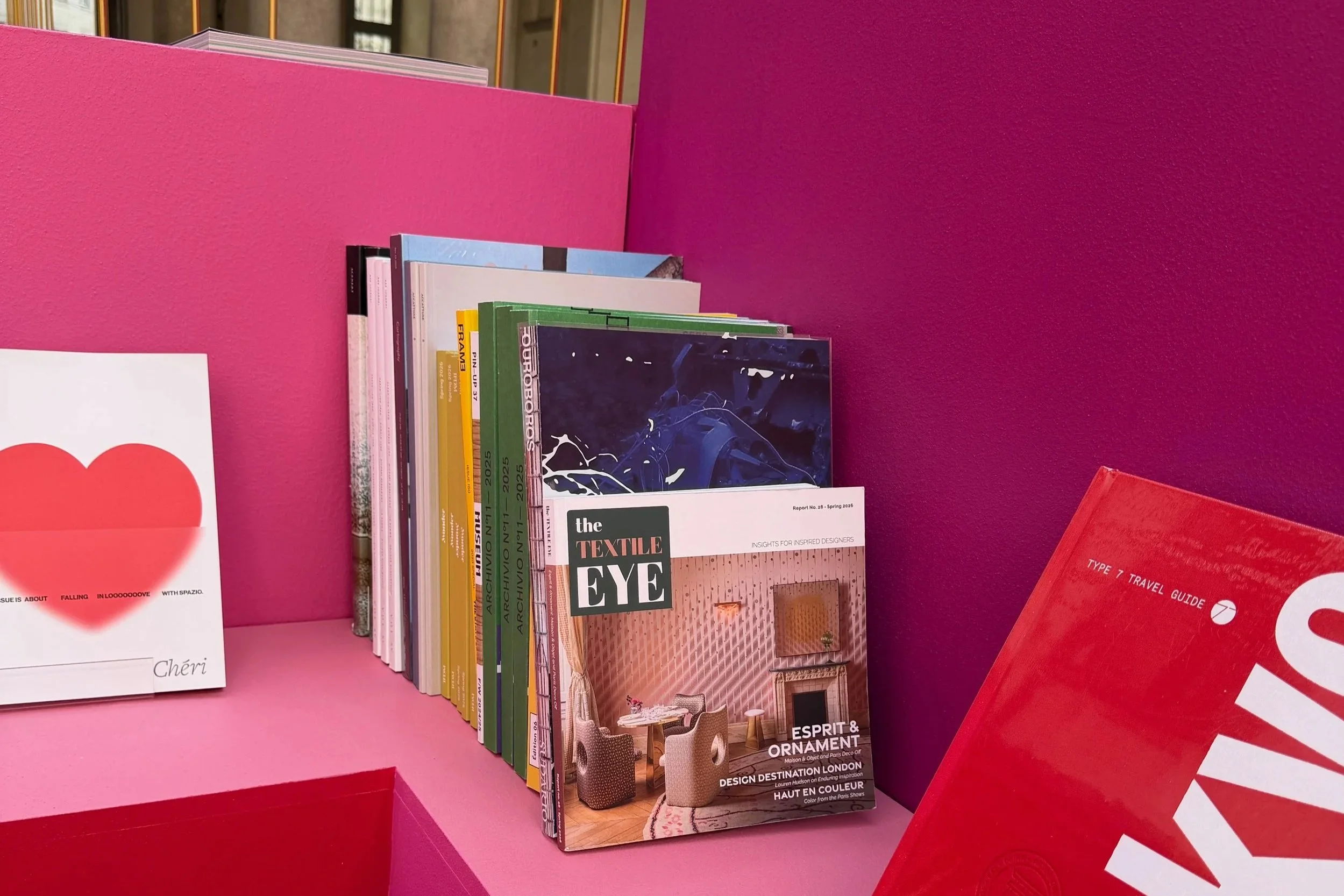
In the central courtyard, architect Lina Ghotmeh created a huge pink-toned installation with different areas for gathering and living. One fun detail was a temporary bookshop —and yes, we contributed a copy of The Textile Eye.
Textile-wise, one standout was SAIBOSI’s Weave of Hong Yao, a textural collection of wool rugs inspired by the weaving traditions of the Red Yao ethnic group in China. The pieces had a wonderful richness and tactility, with deep reds and heavily textured surfaces that really drew you in. Another standout was Full Metal Banquet by Eric Charles-Donatien in collaboration with LDC Textiles, which brought a theatrical sense of materiality into the historic rooms.
And as always with Palazzo Litta, there were plenty of other treasures tucked throughout the rooms.
El Espartano x Li Edelkoort
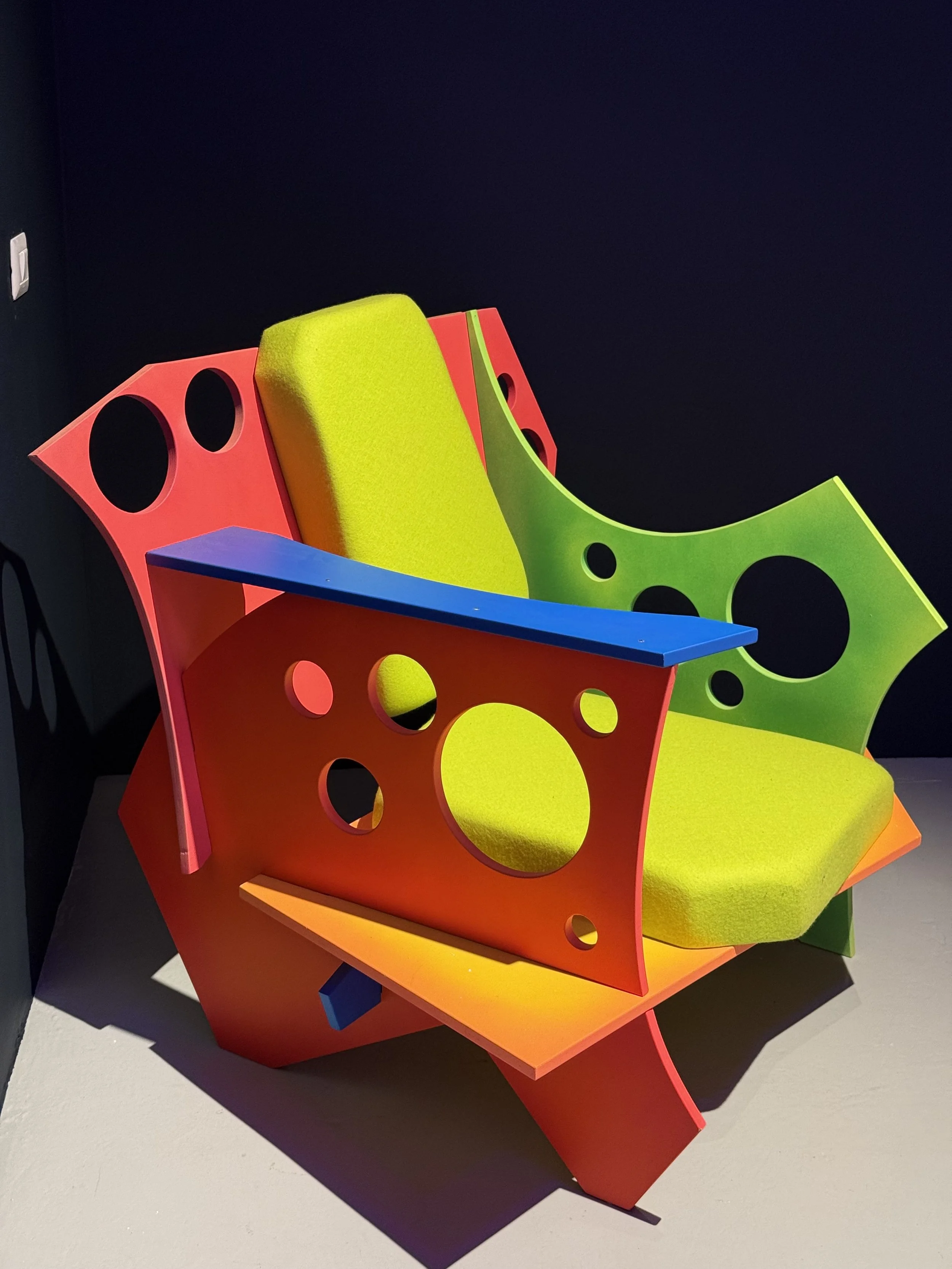
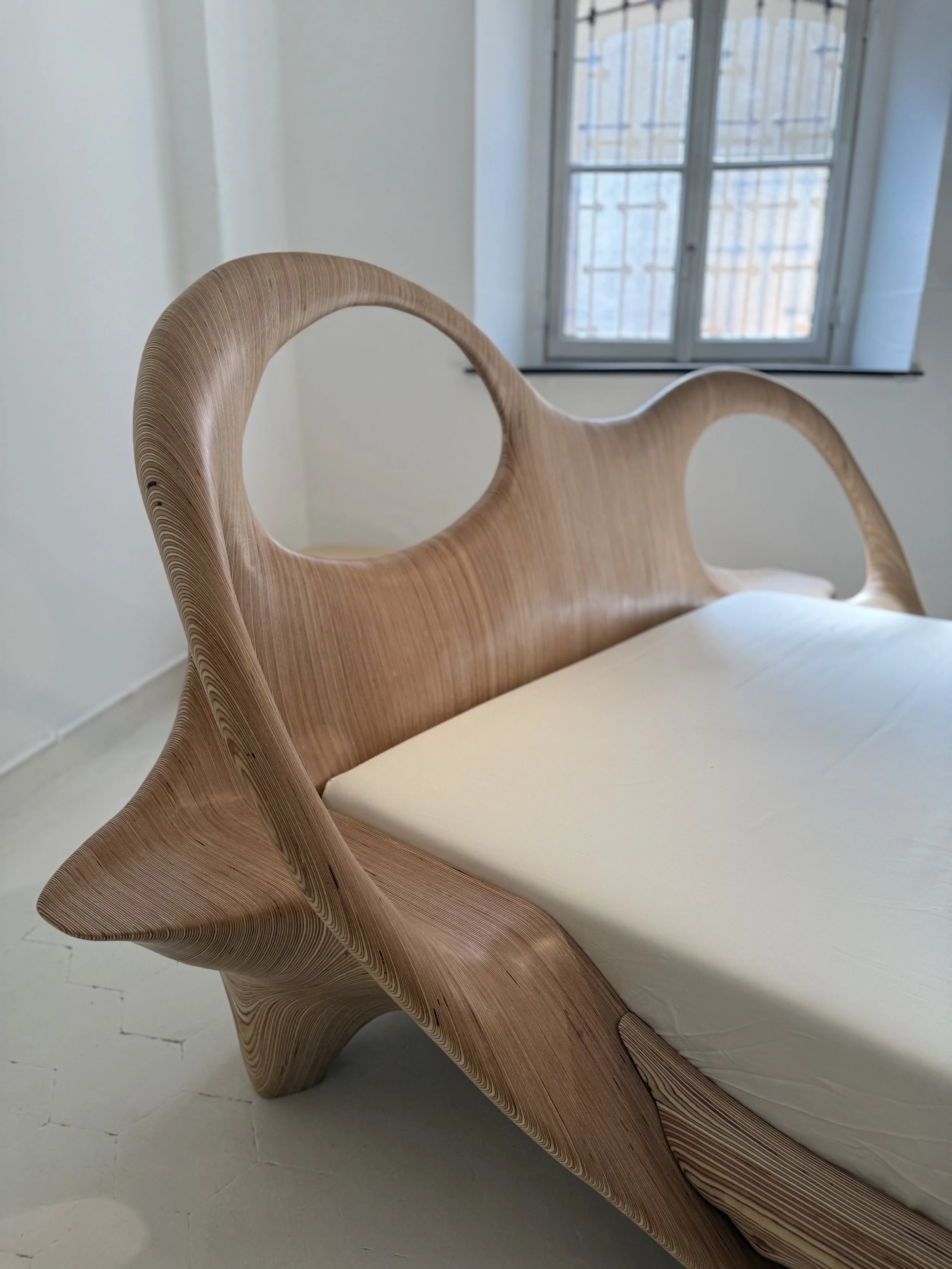
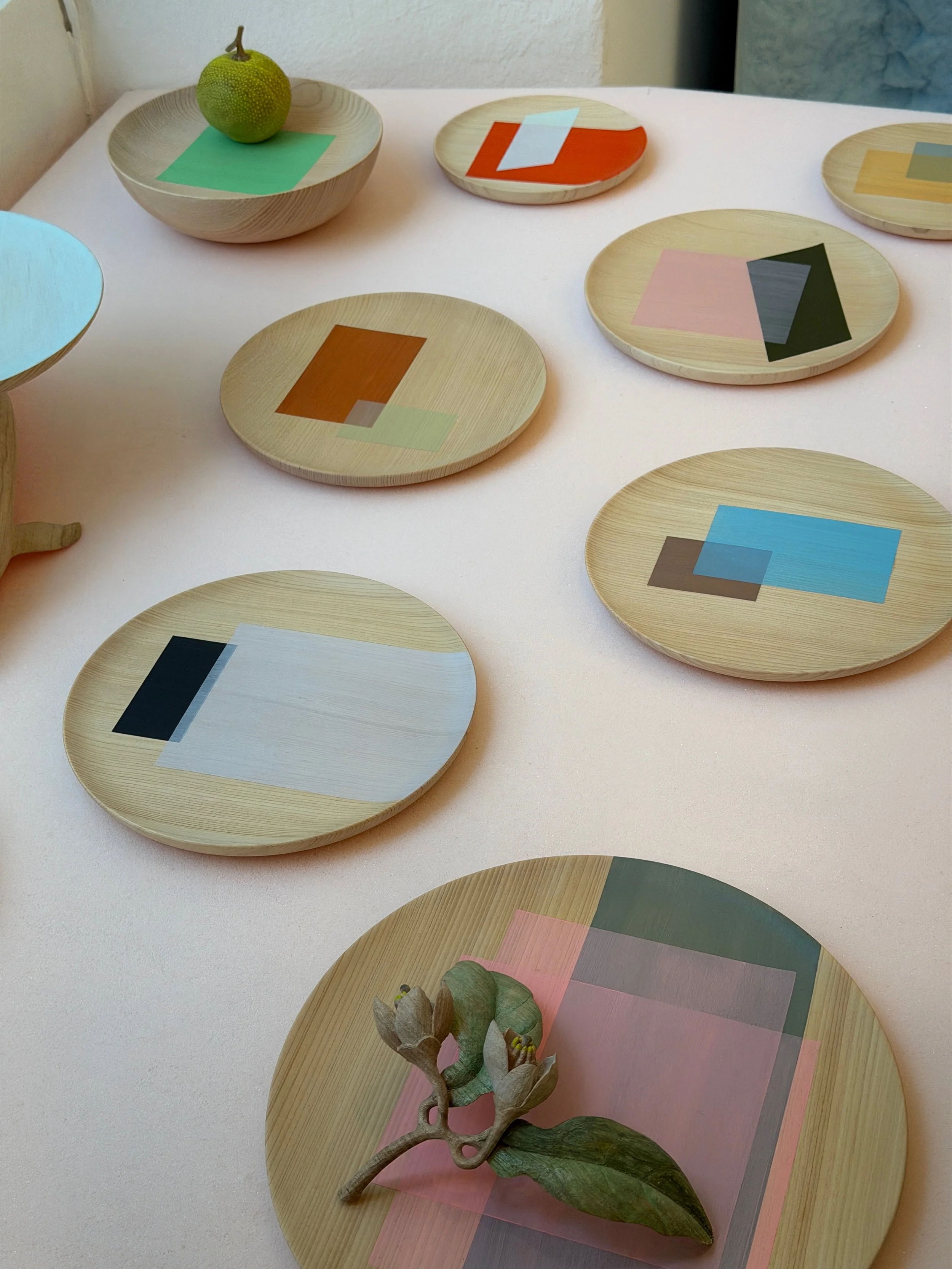
Carole Baijings
Rossana Orlandi
Rossana Orlandi’s sprawling gallery is always overflowing with ideas, artists, and things to discover, and this year was no exception. The emphasis leaned a bit more toward hard materials, but there were still some strong textile moments tucked throughout.
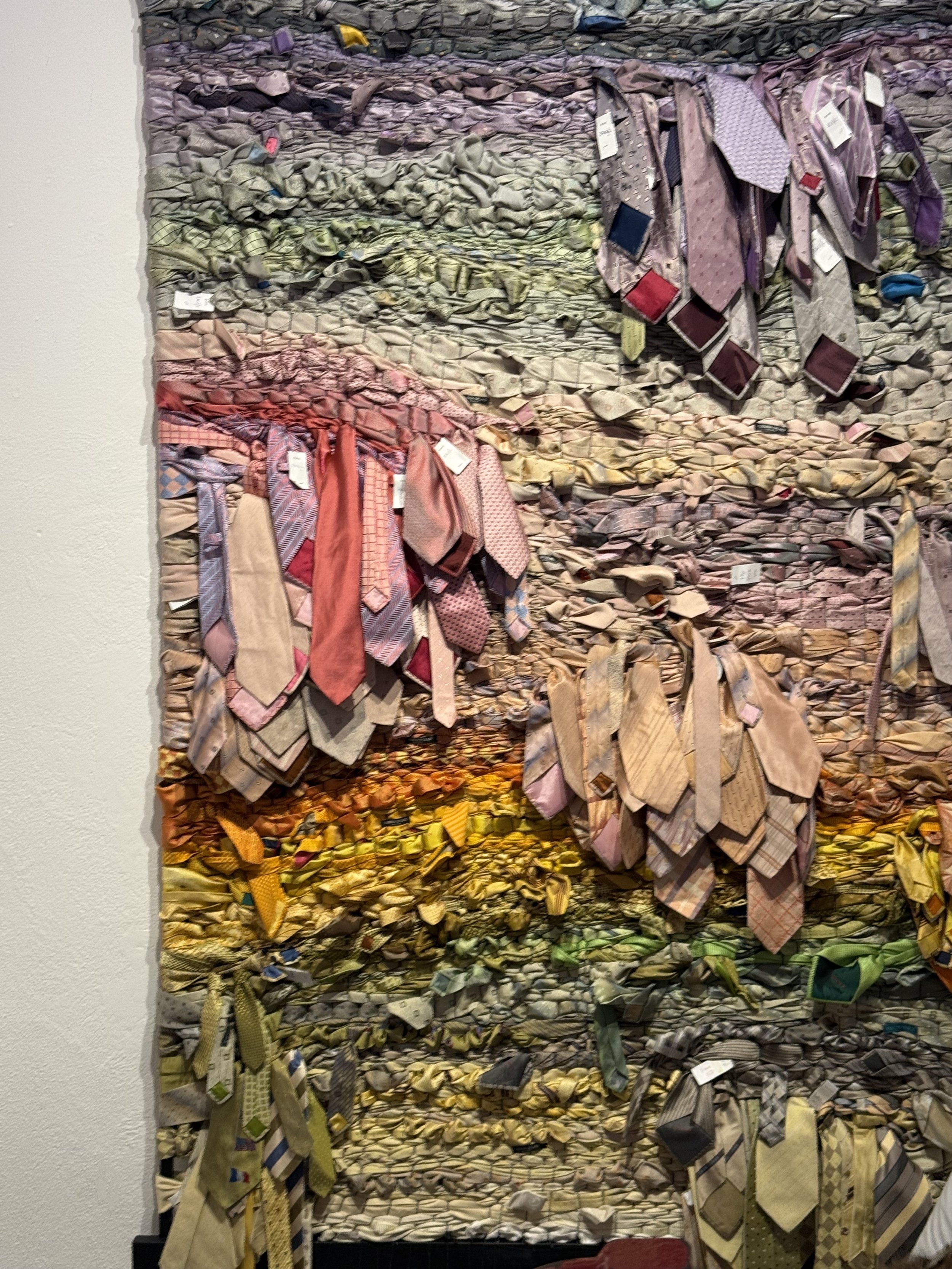
There was a beautiful installation titled After the Tie: Softening Power, made from more than 400 vintage ties originally designed by Rossana and reworked into a rainbow-like wall hanging by an Indian studio. The piece transformed the tie—normally a symbol of authority—into something softer and more expressive.
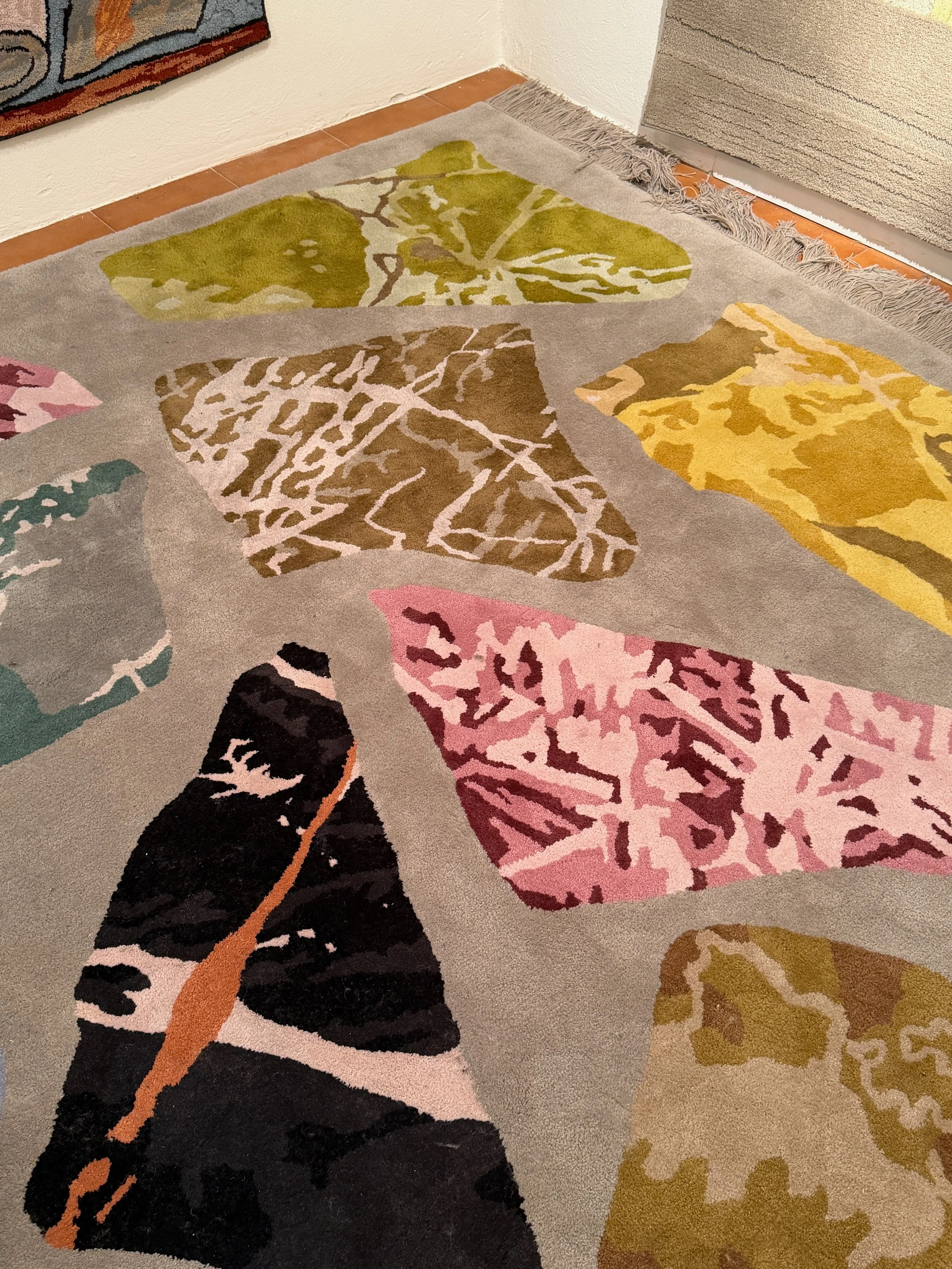
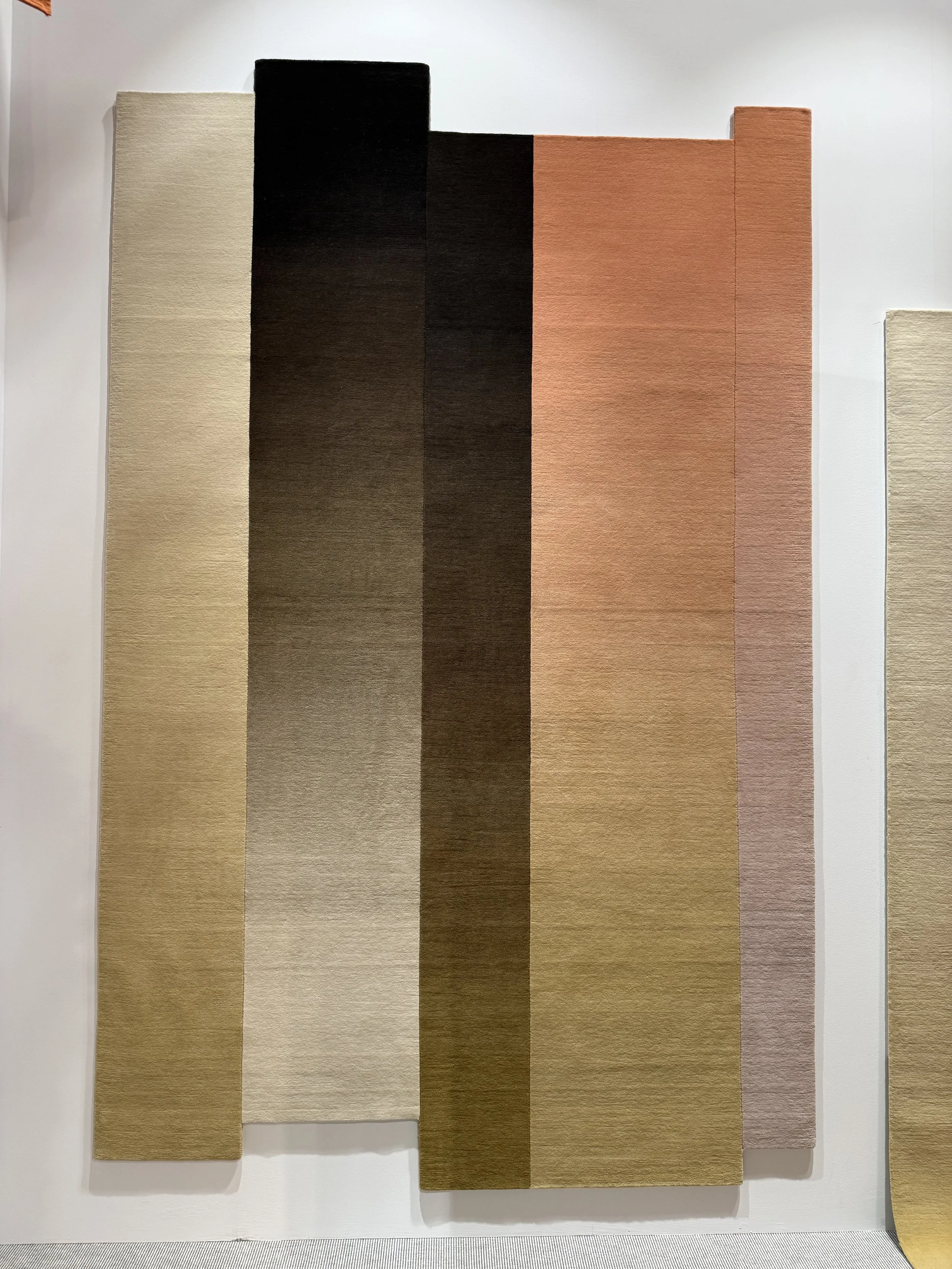
Designer Carole Baijings also showed a range of collaborations highlighting her wonderful sense of color and gradients. And there were beautiful carpets on view for El Espartano, including a favorite by Li Edelkoort featuring oversized forms that looked almost like blown-up terrazzo.
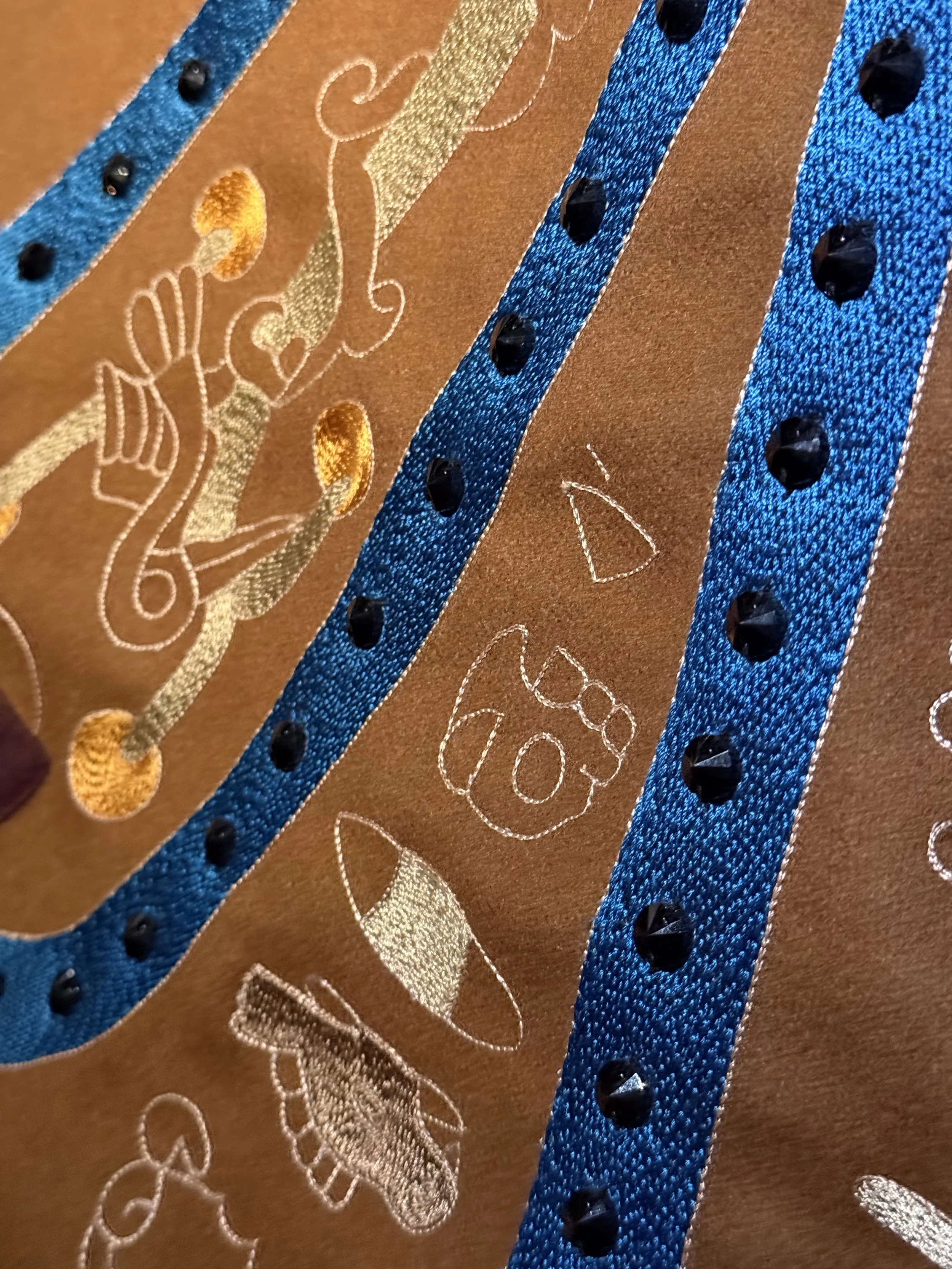
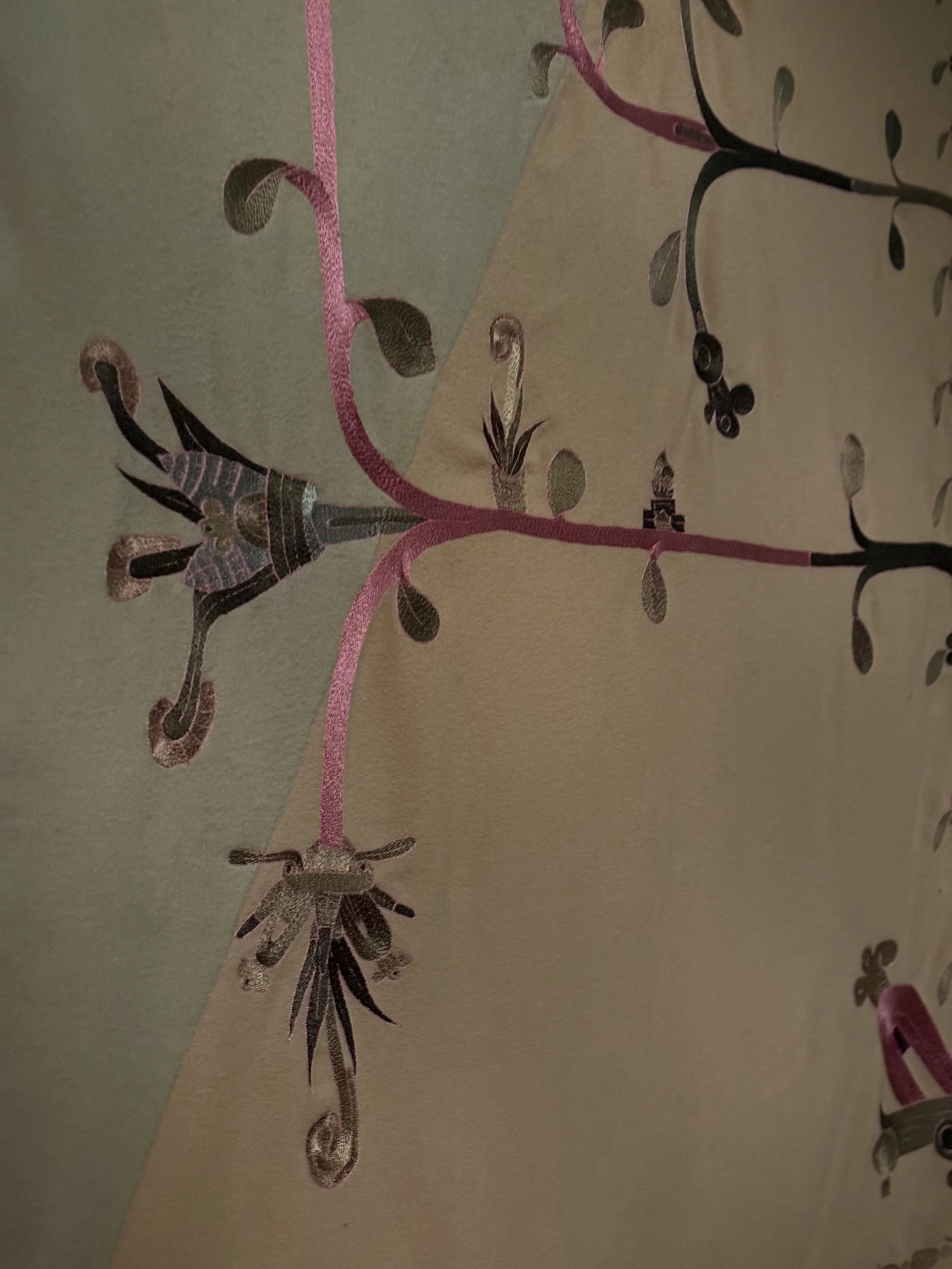
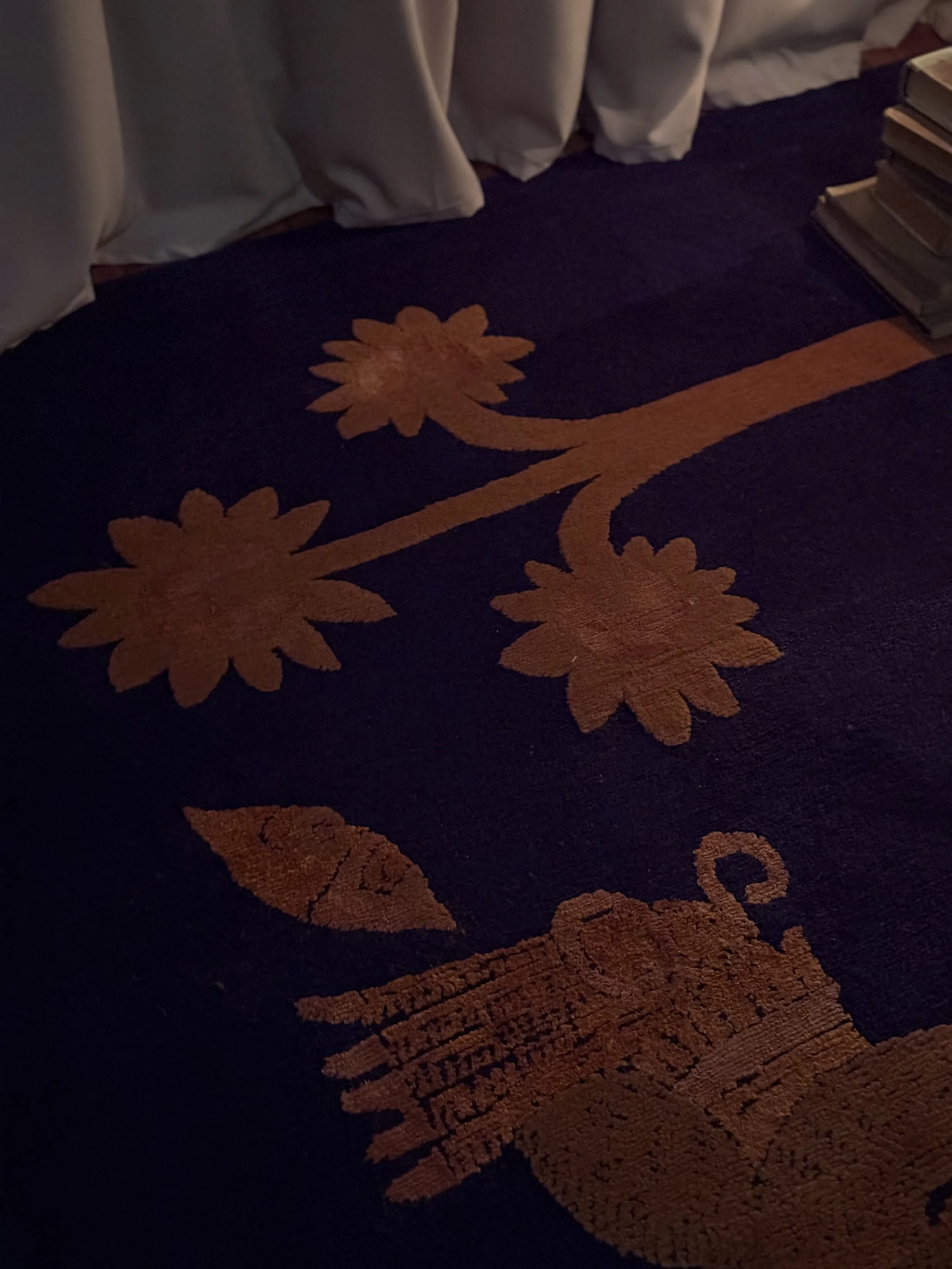
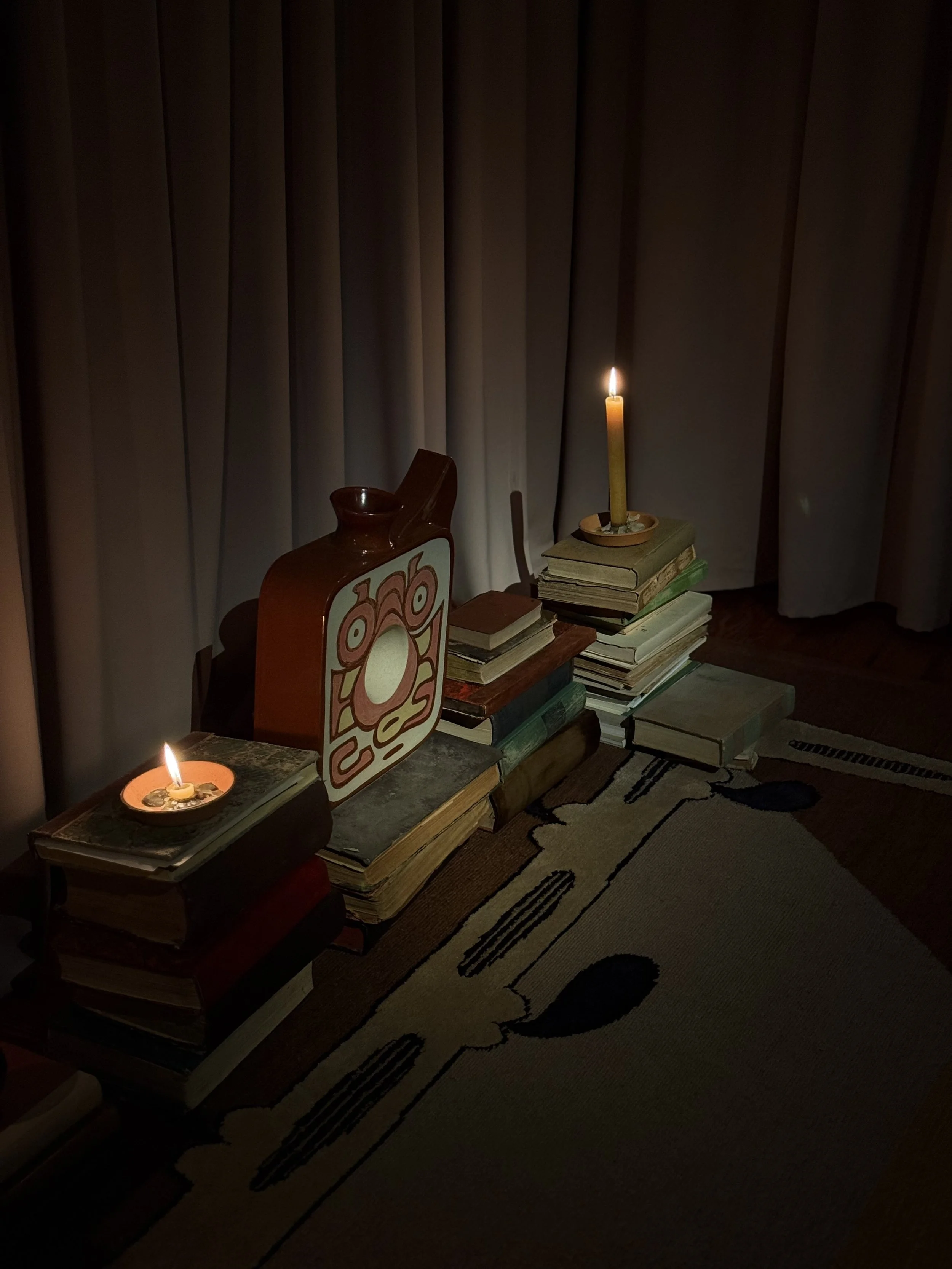
Balmaceda: A Letter About Códices
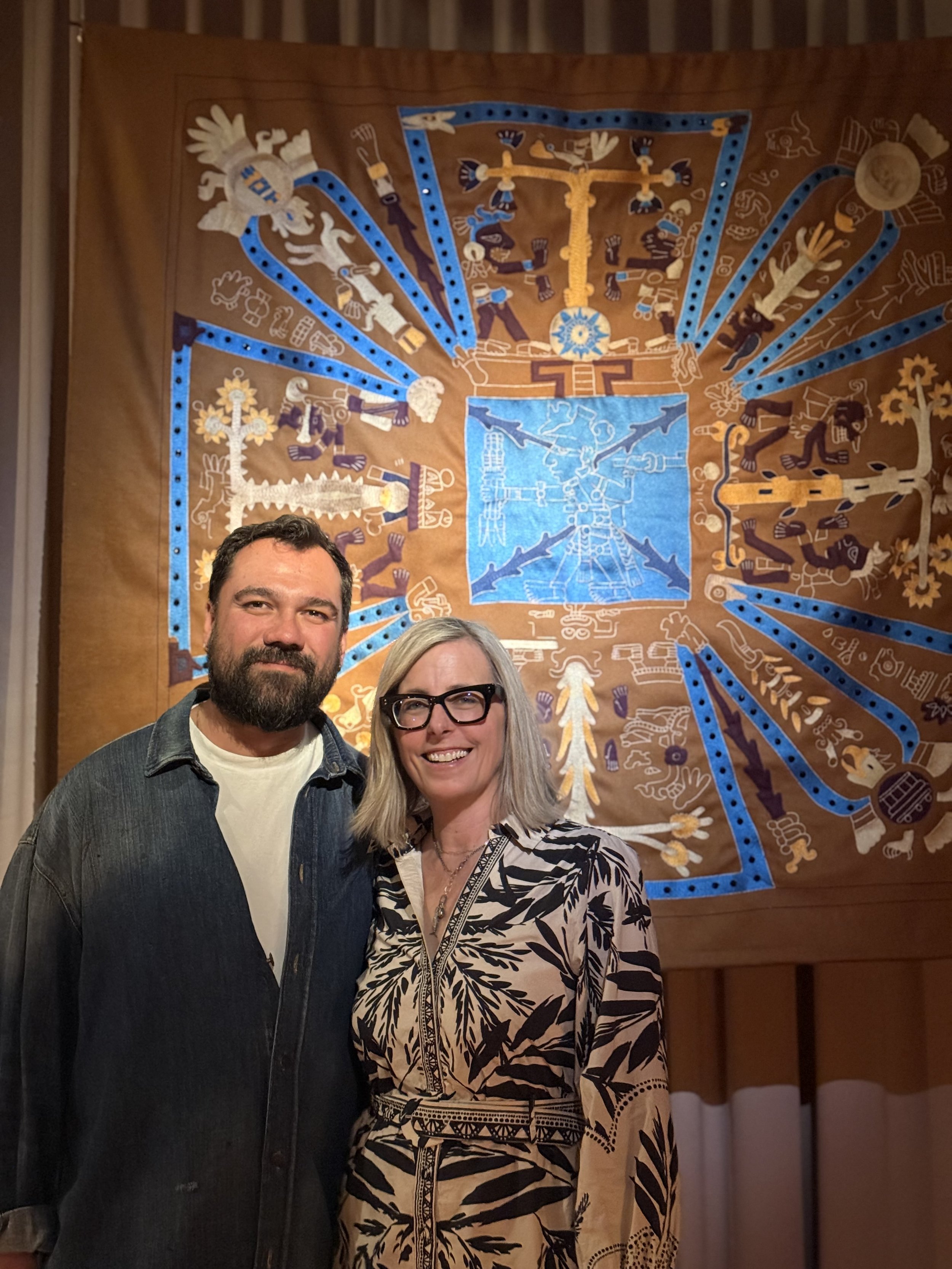
Balmaceda first came onto my radar last year at Salone, so I was excited to see what they would do this time—and to meet designer Luis Urculo, who is a true talent.
Returning after last year’s Milan debut, Balmaceda presented rugs from its Códices collection in a private San Vittore apartment. The installation imagined the home of an unseen archaeologist, with rugs, objects, and artifacts layered throughout the rooms to create a deeply atmospheric, installation-like environment.
The work explored ancestral motifs and culturally significant symbols connected to Mexican heritage, translated into contemporary forms through rugs, embroidery, wall hangings, and decorative pieces.
The installation also leaned into a multi-sensory experience, with layered sound recordings and the scent of burning herbs throughout the darkened rooms. The pieces were so beautiful, I did wish the lighting had been a little brighter so I could more easily appreciate the detail in the work. Still, it was one of the more memorable installations we visited.
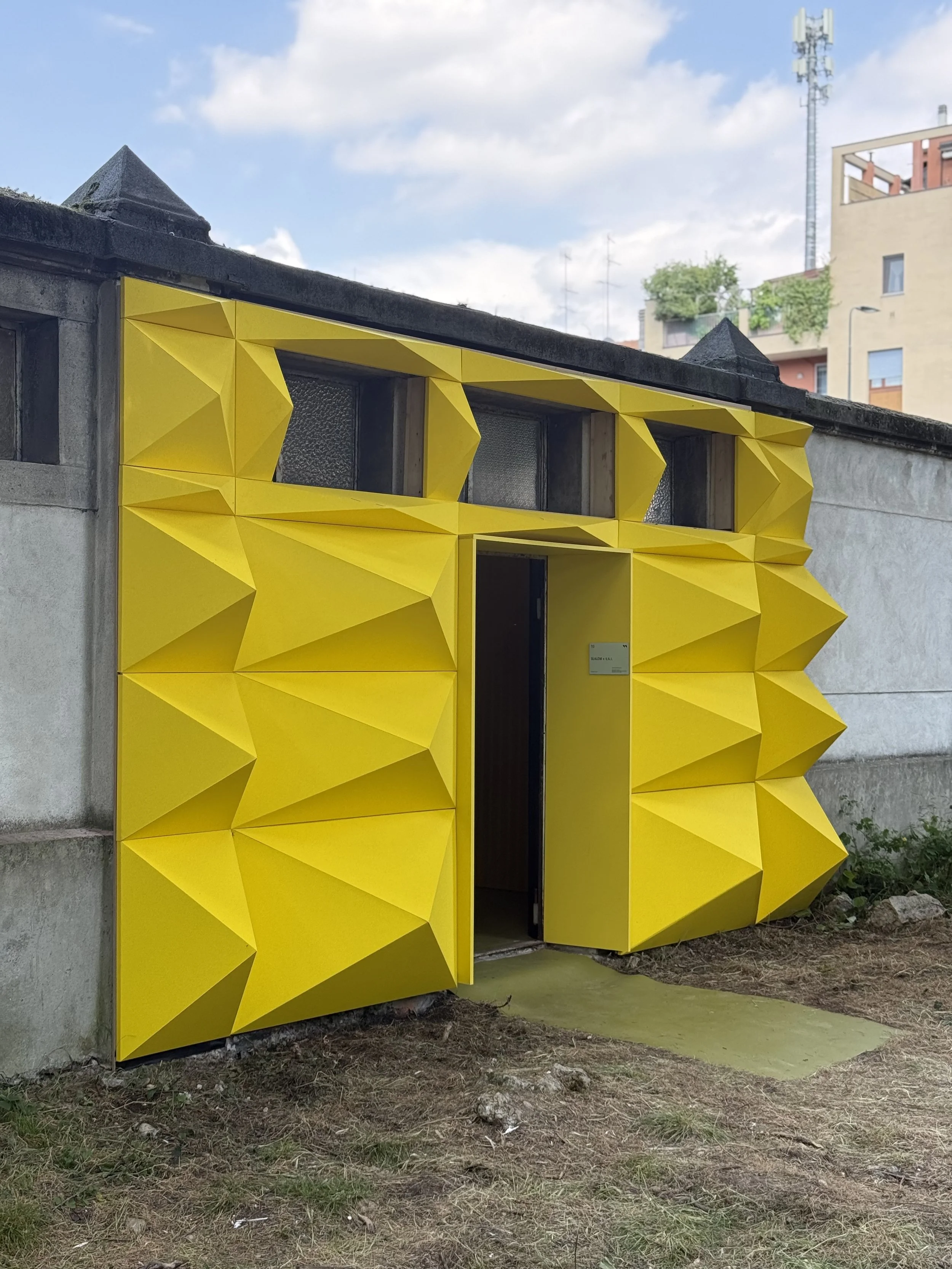
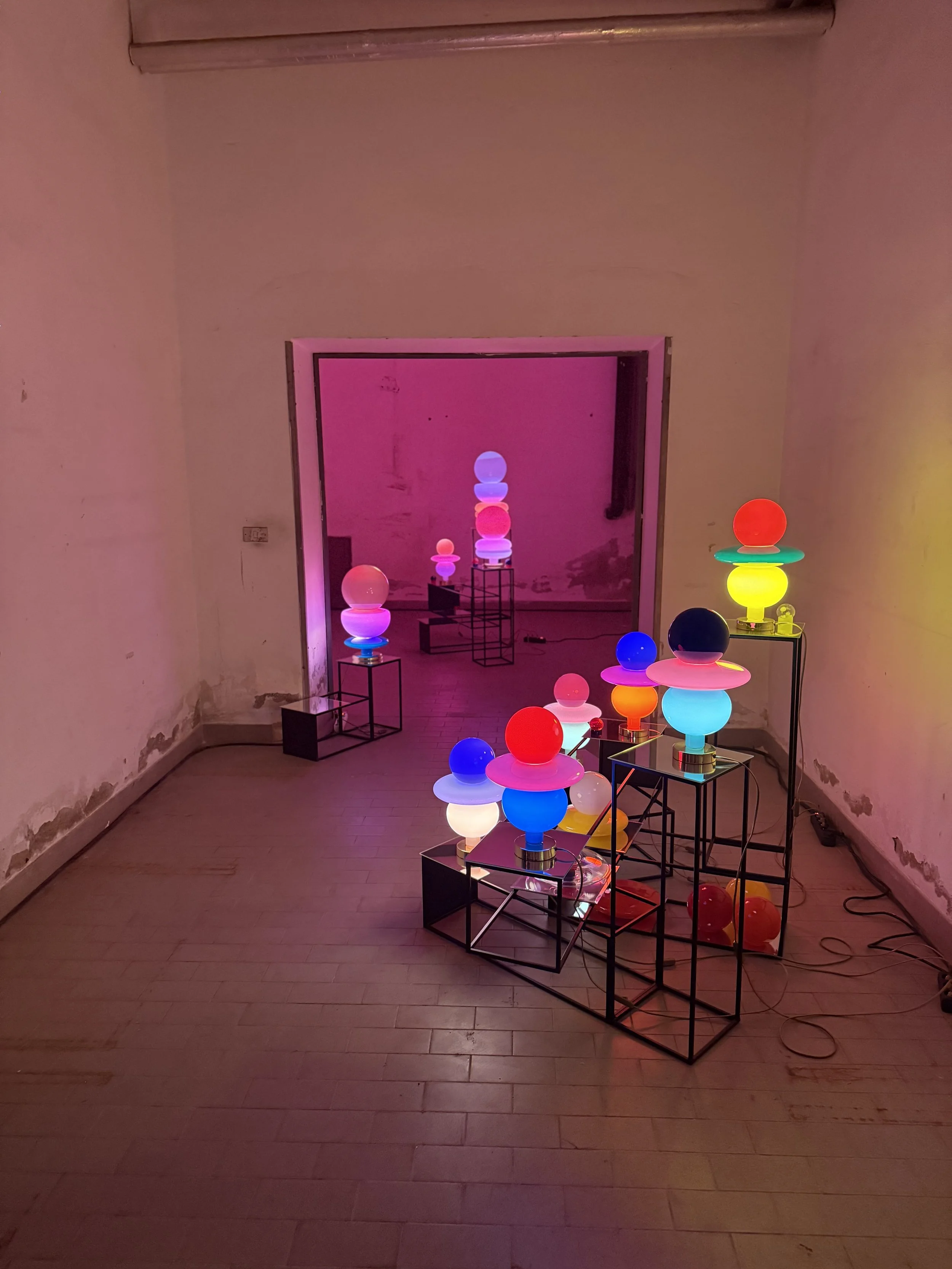
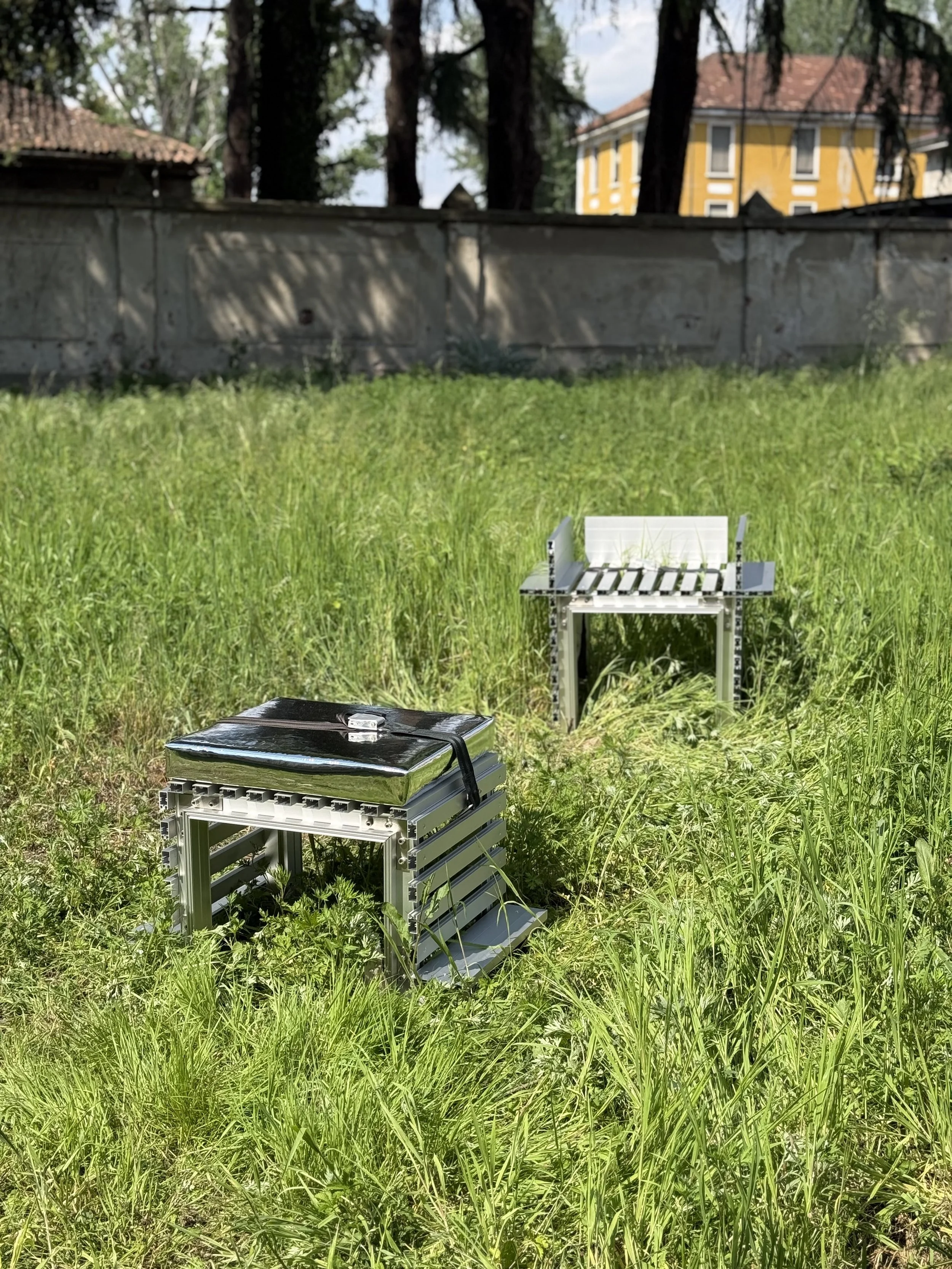
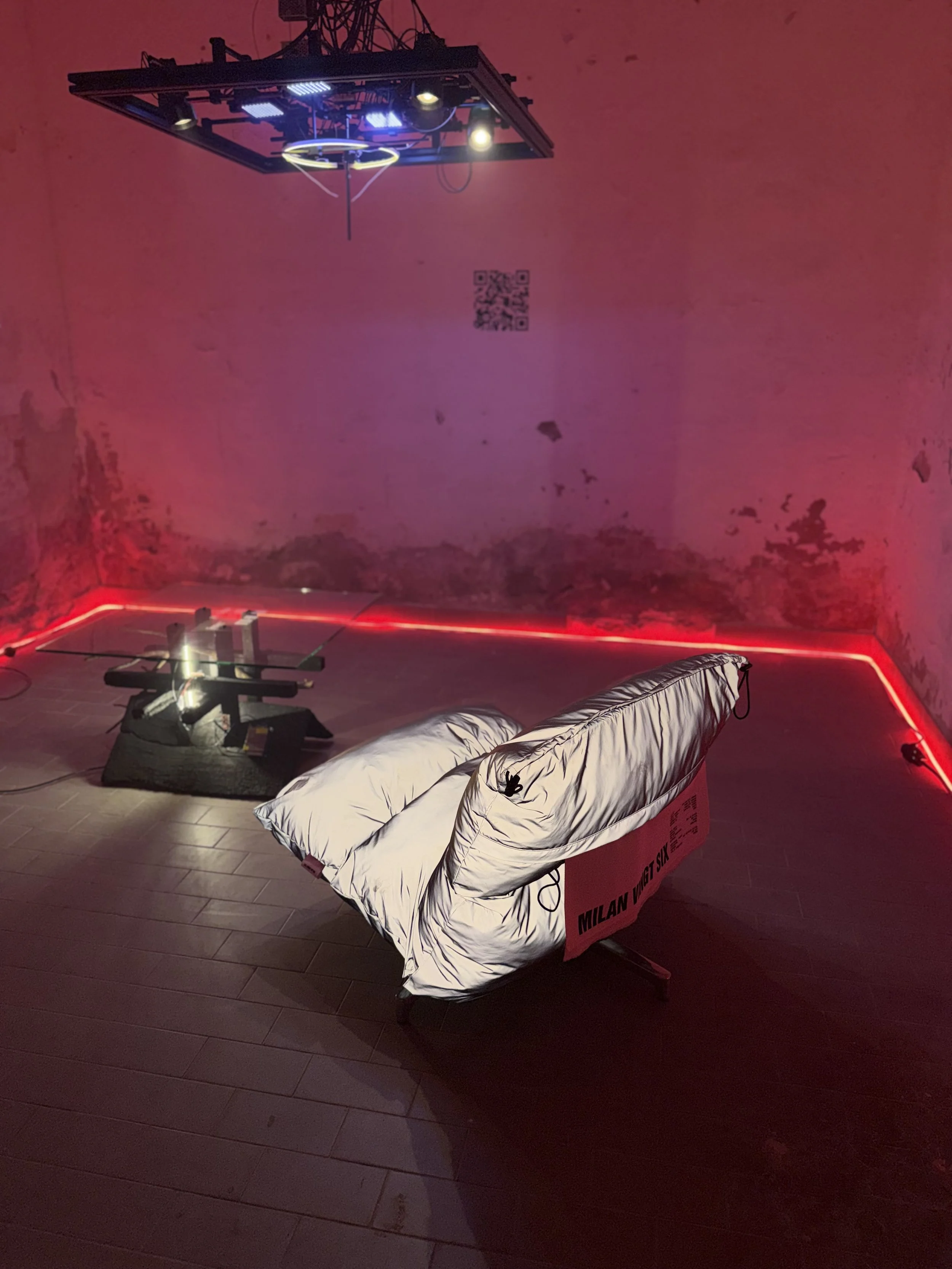
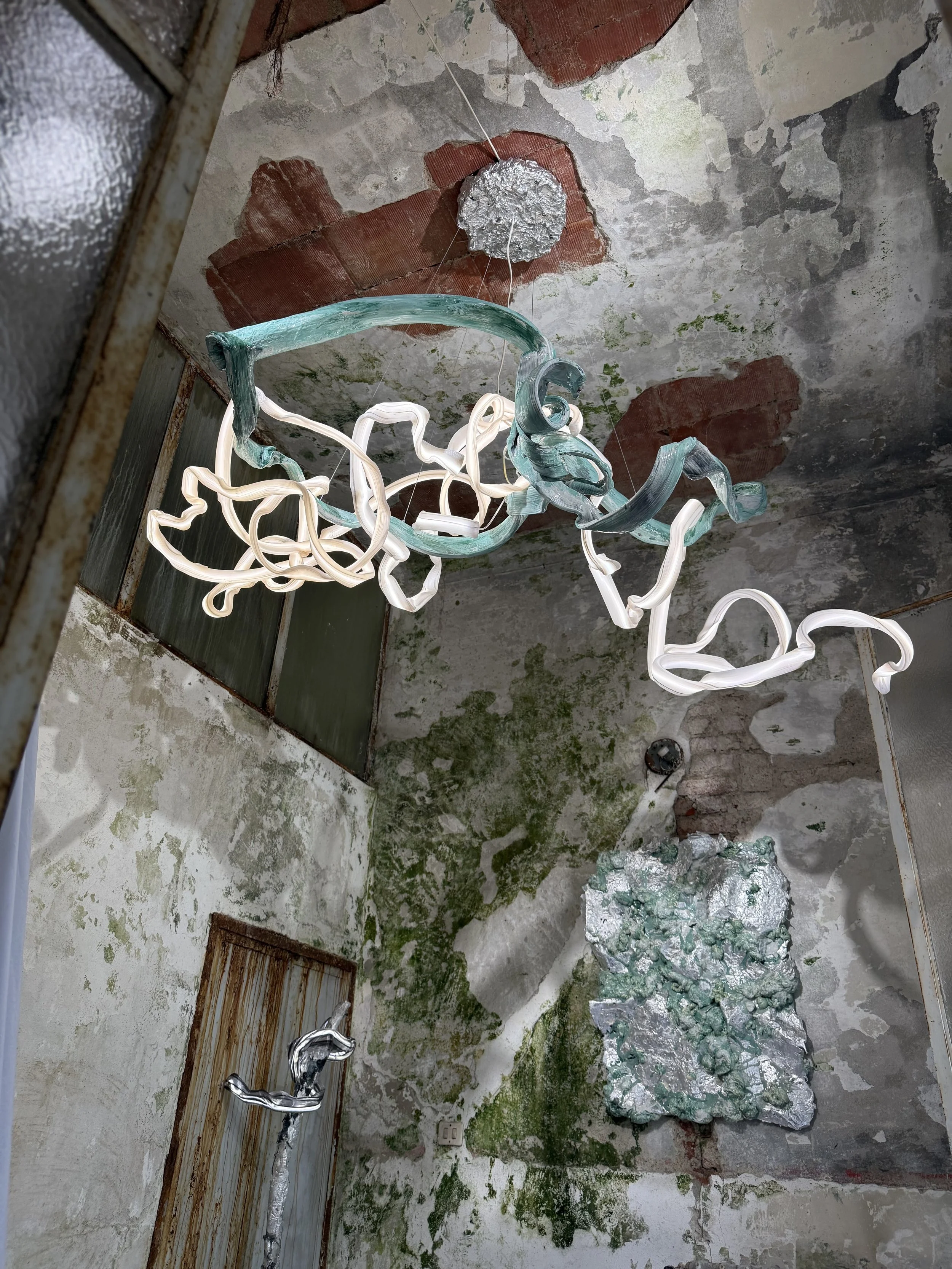
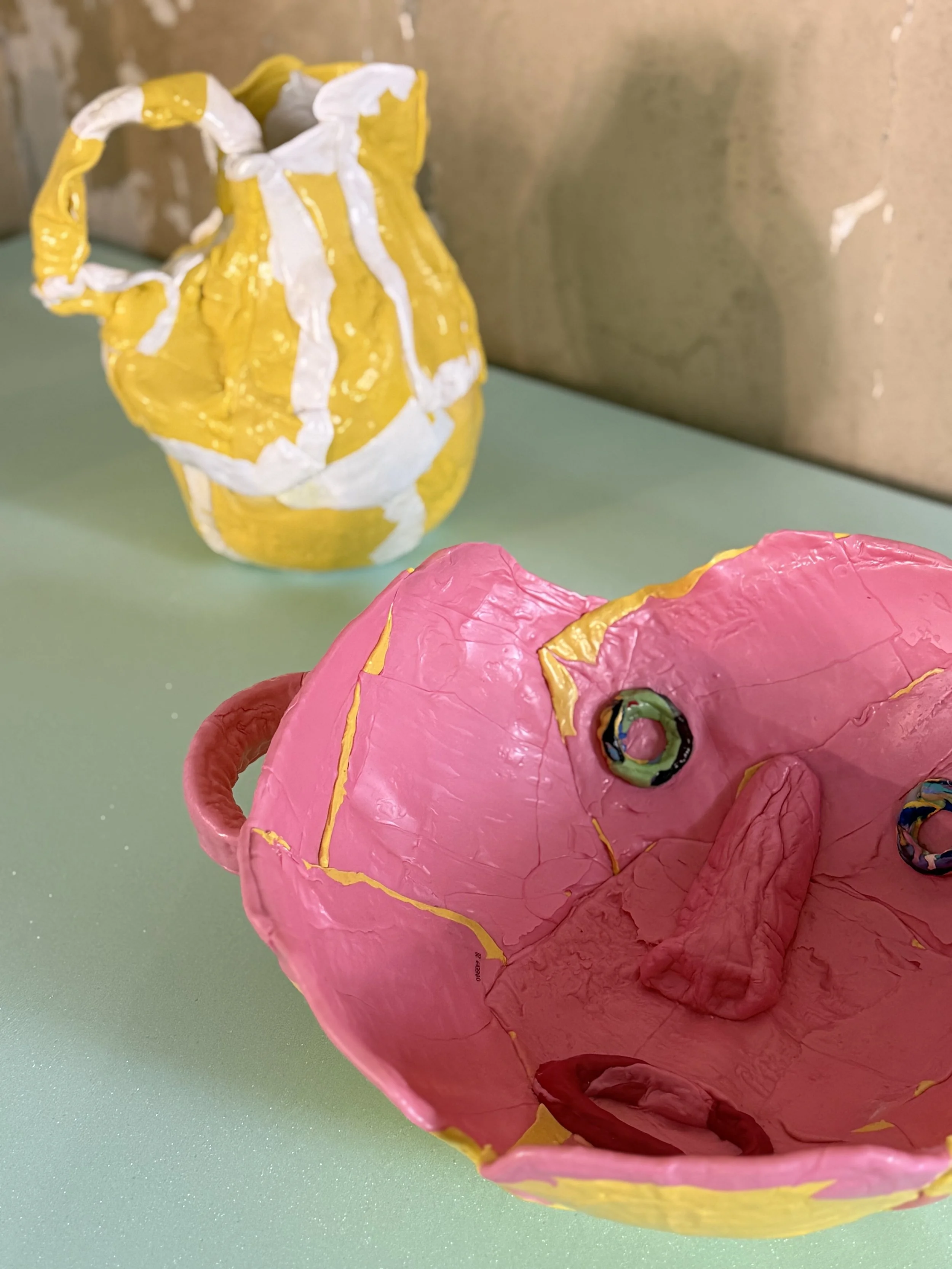
Alcova
Alcova is always a bit mind-bending—and always extremely crowded—so getting to visit on the press preview day is something I’m truly grateful for.
This year’s locations included the former Baggio Military Hospital and Villa Pestarini, a modernist villa designed by Franco Albini and opened to the public for the first time in its 87-year history. Villa Pestarini was smaller and more intimate than some past Alcova sites, but incredibly atmospheric. It was there that I saw a beautiful room by Sophie Dries x ISSE with a glamorous mid-century feeling, and also had the chance to meet Patricia Urquiola, who created a special installation for the space.
At the Baggio Military Hospital, one standout was the Shakti Design Residency, which paired designers with Indian artisans and brought a strong sense of handcraft and materiality into the mix.
As always with Alcova, there were plenty more strange and wonderful discoveries tucked throughout the spaces. More details will be included in the full report.
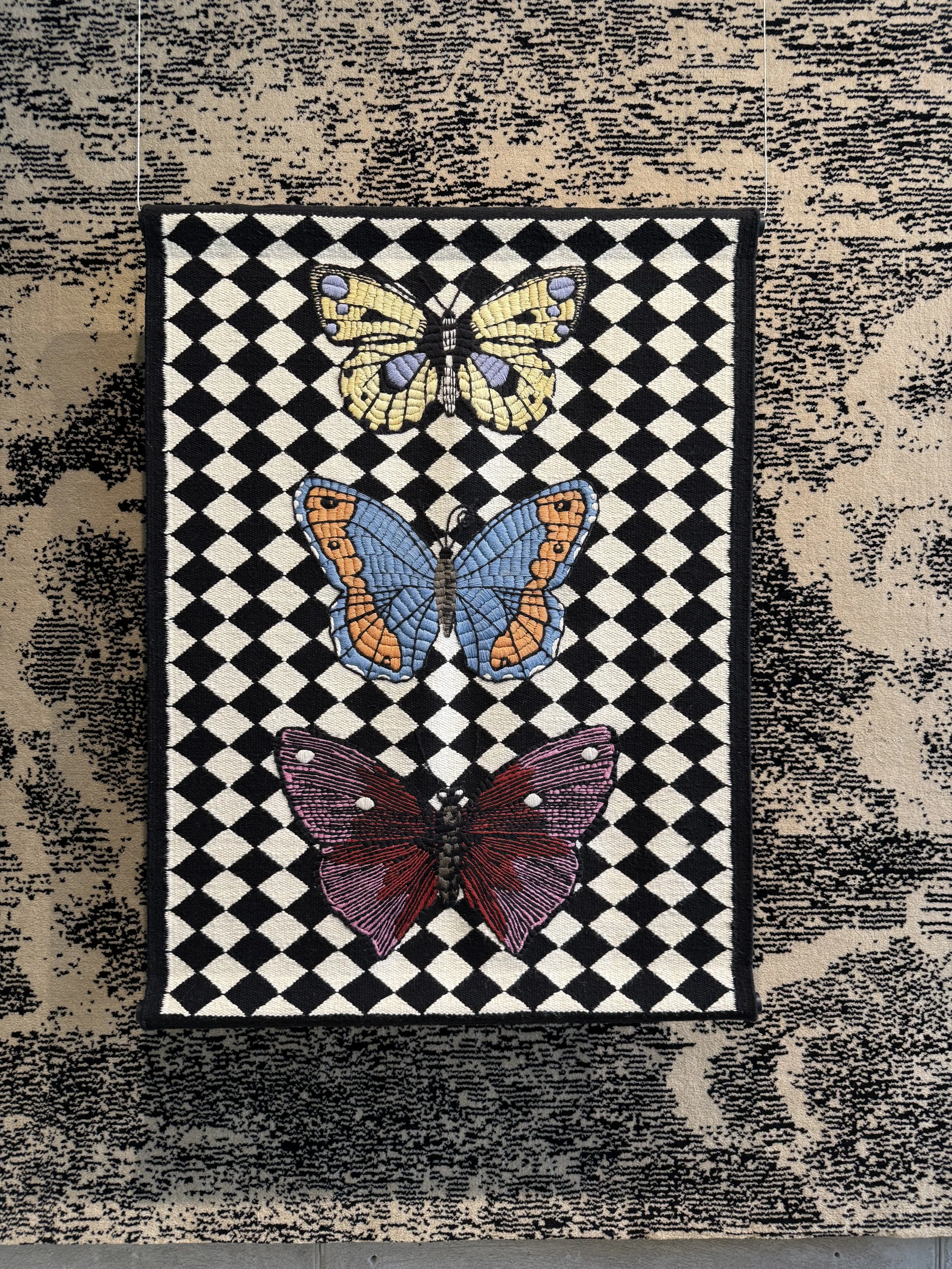
Fornasetti x cc-tapis
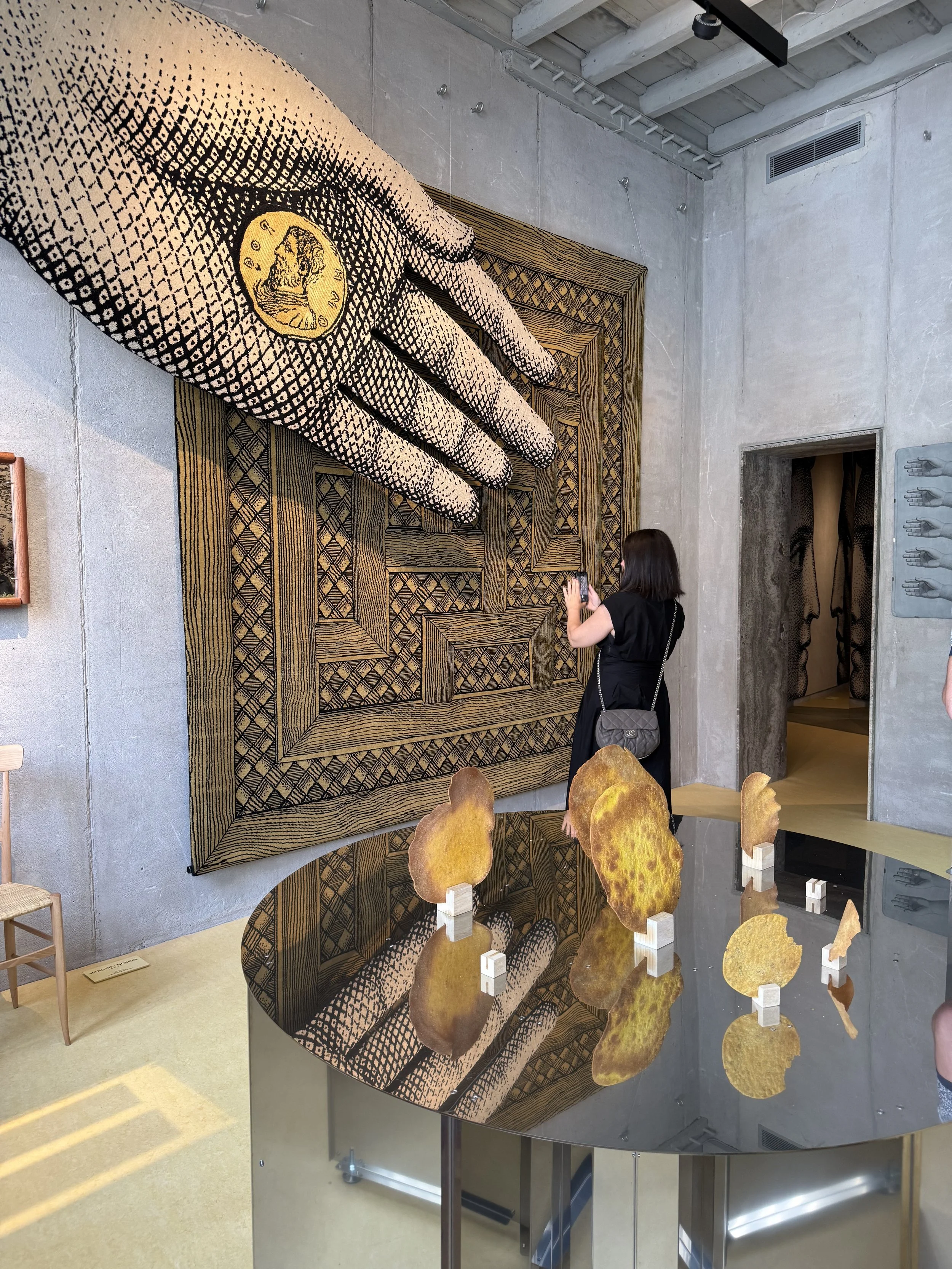
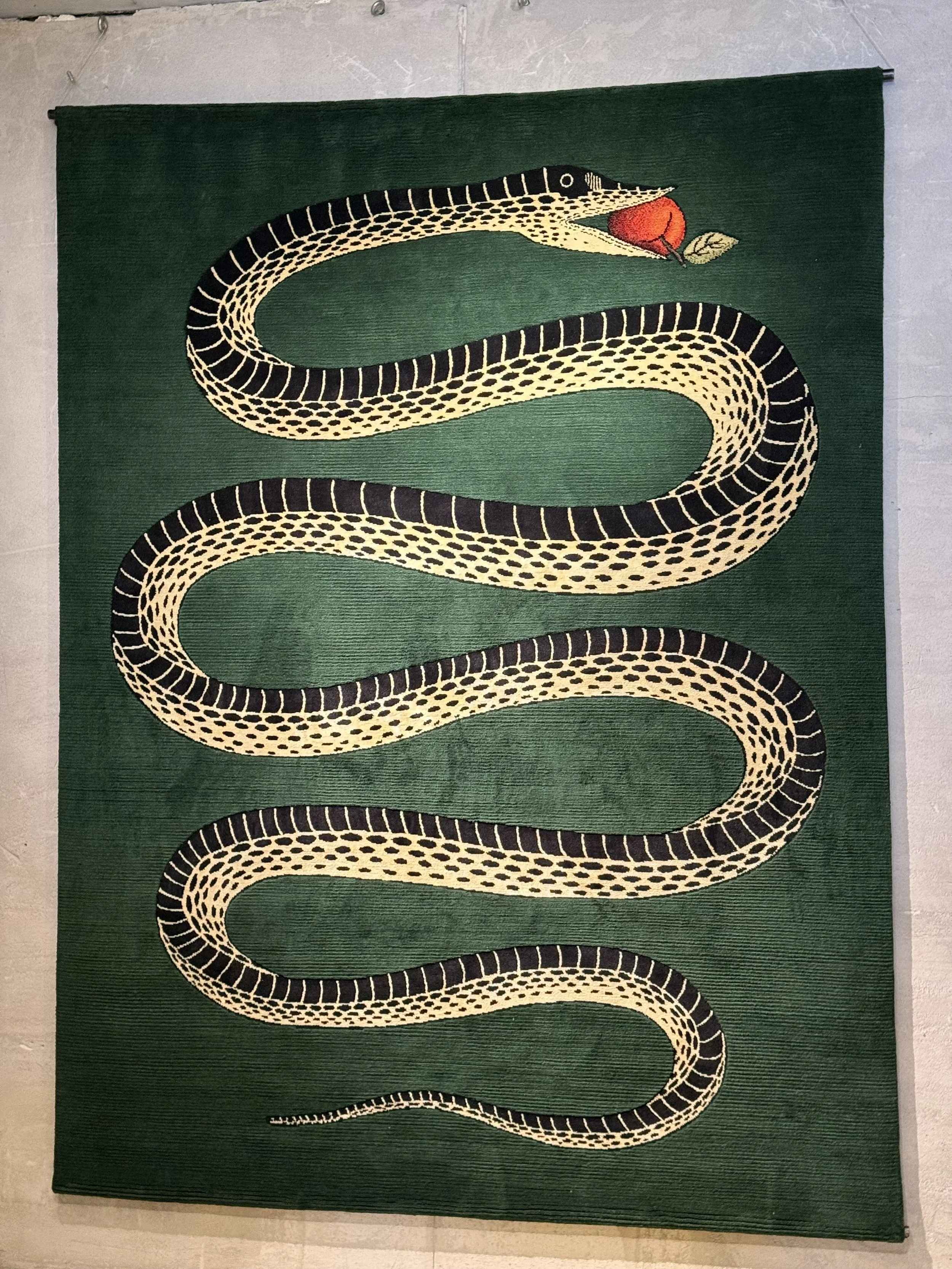
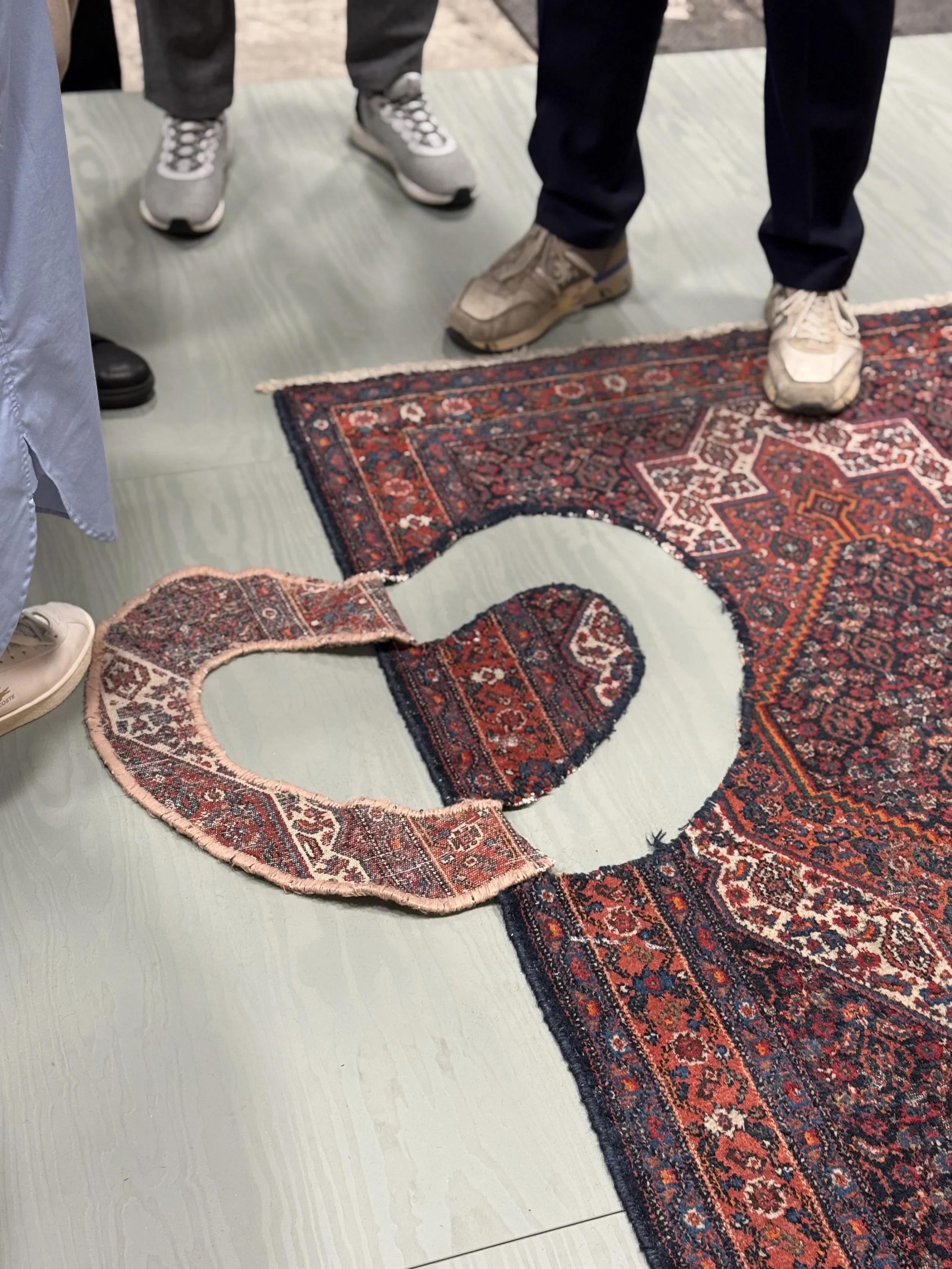
The Fornasetti x cc-tapis collaboration was a real celebration of Fornasetti’s graphics, humor, and quirkiness. cc-tapis really rose to the occasion, especially with rugs carved into unusual shapes that brought the playful spirit of the work into three dimensions.
The collection reinterpreted archival Fornasetti motifs through trompe l’oeil effects, fragmentation, and graphic detailing, all handcrafted in Himalayan wool, merino, and silk with beautiful craftsmanship. A true balance of wit, usability, and quality.
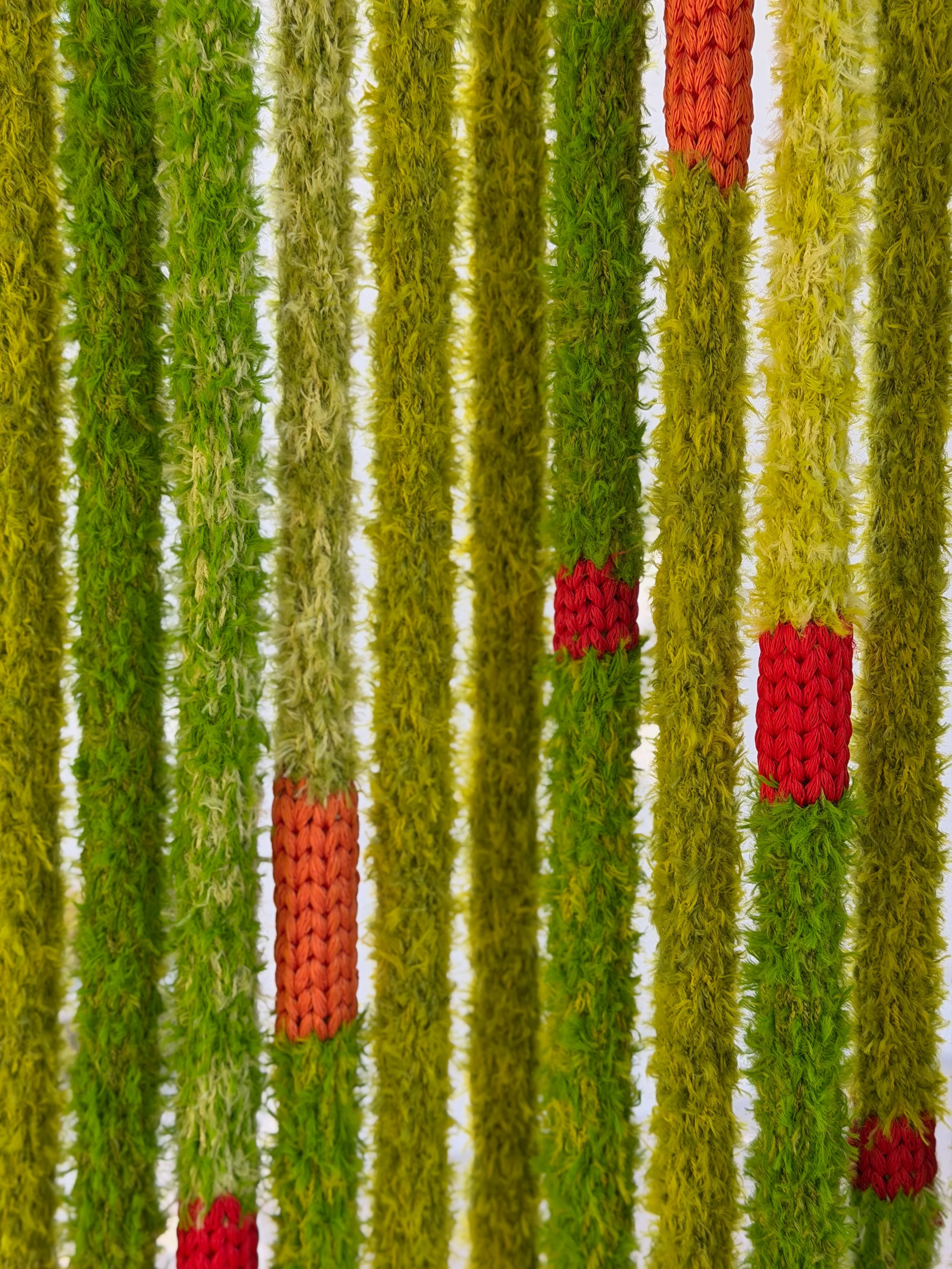
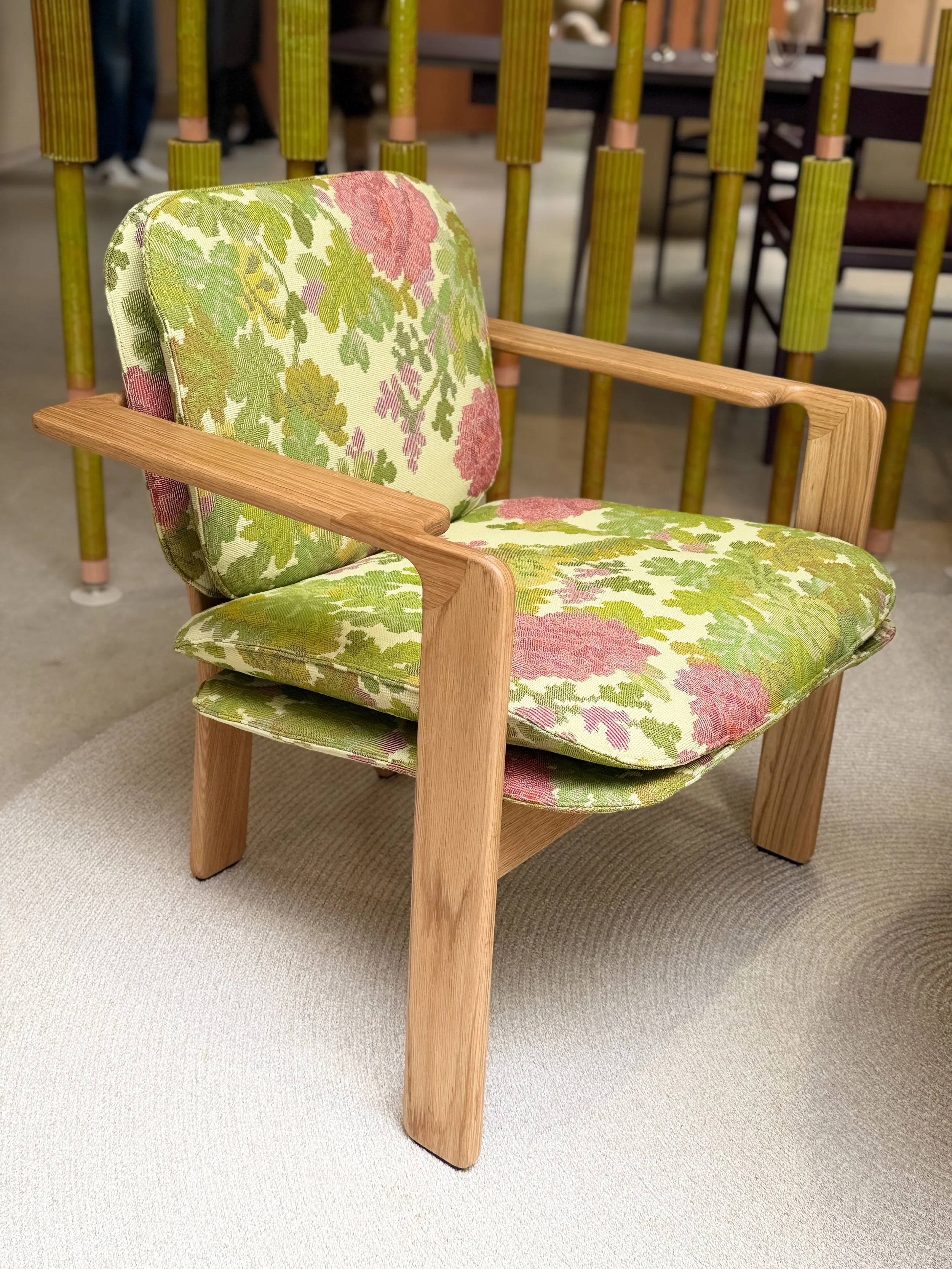
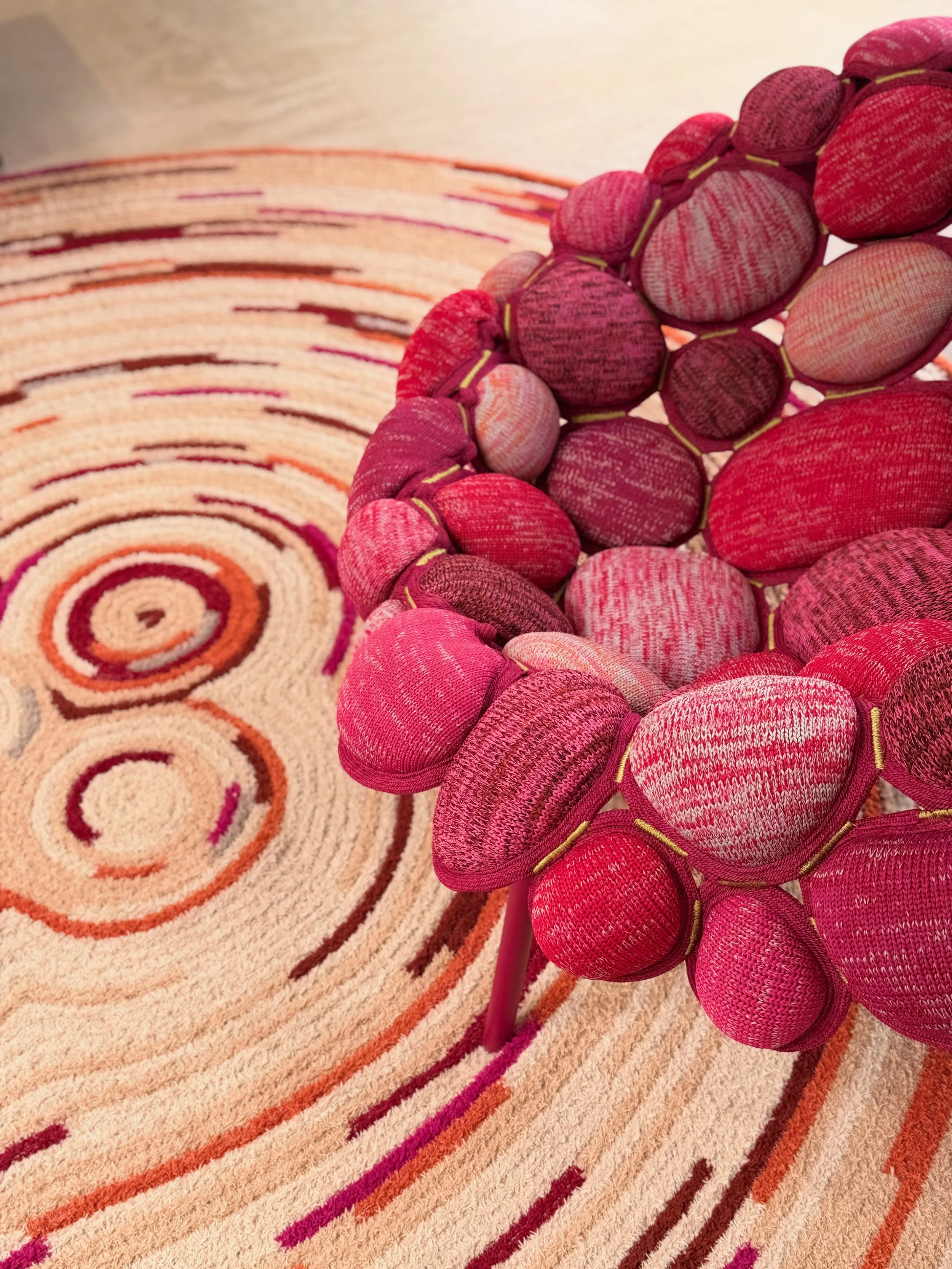
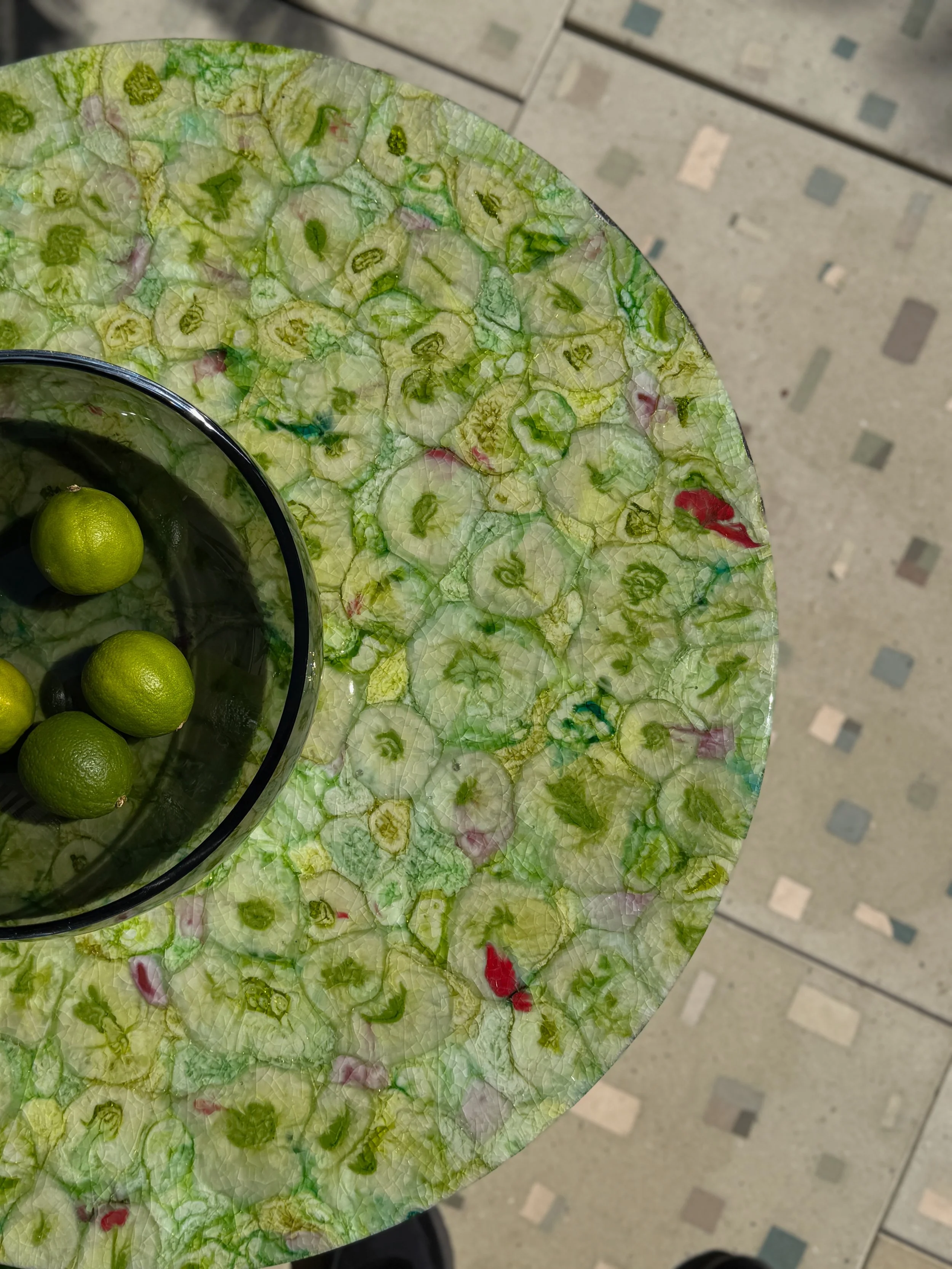
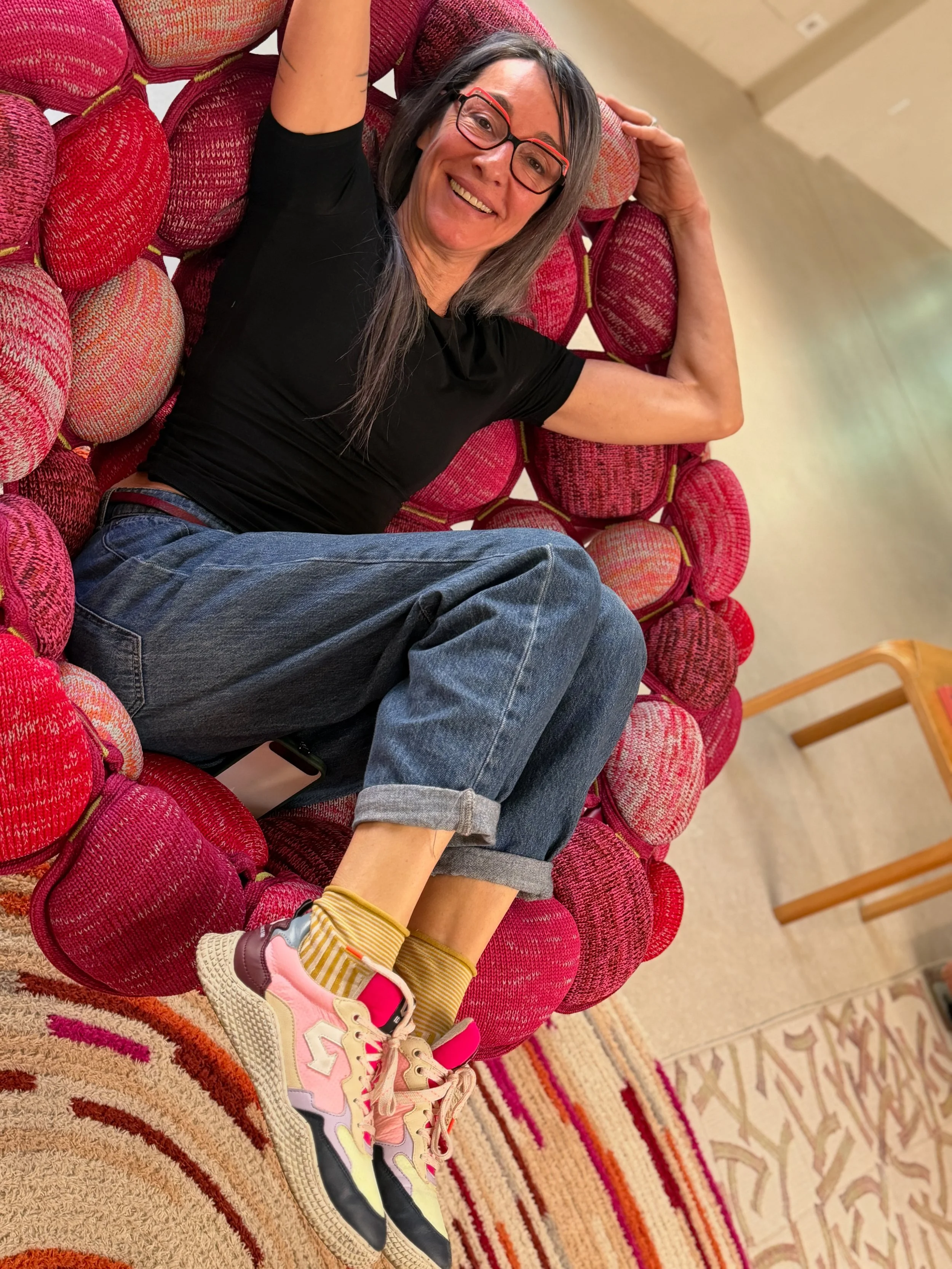
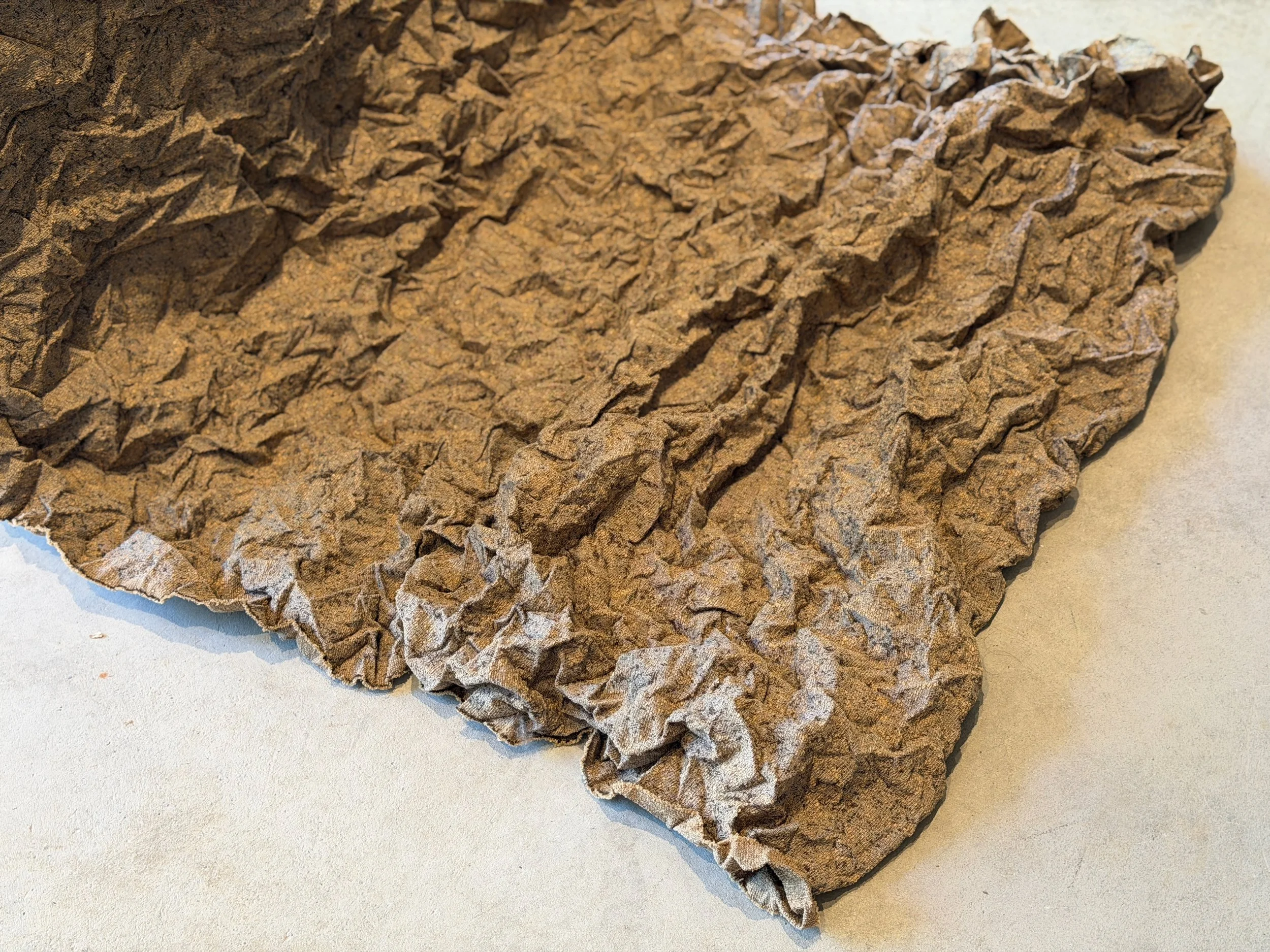
Kawashima Selkon Textiles
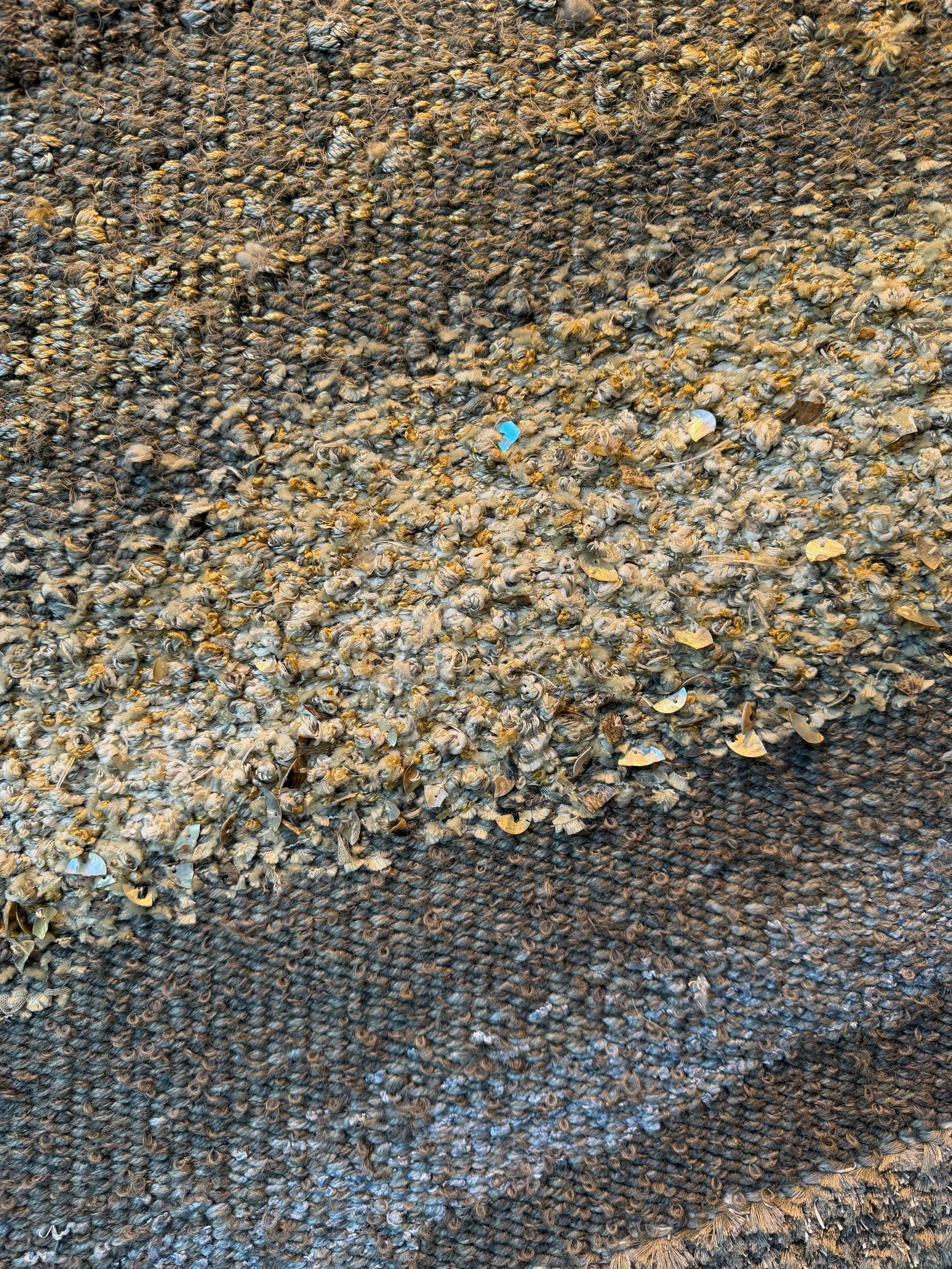
Kawashima Selkon Textiles
Dialoghi: Paola Lenti Milano
Paola Lenti never disappoints. The showroom is beautiful, her color sense is fantastic, and the indoor-outdoor spaces flow together in a way that always makes it a can’t-miss stop during Design Week. Their special installations are consistently strong as well.
The exhibition, Dialoghi, explored the interplay between color, material, and form through more than forty color families unfolding across textiles, surfaces, and furnishings. For anyone working in color, it was a treat.
And this year, a true textile standout: Kawashima Selkon Textiles from Kyoto presented Woven Strata, an installation that was a stunner. The textiles themselves, the story behind the work, and the installation as a whole were among my favorite moments from Design Week.
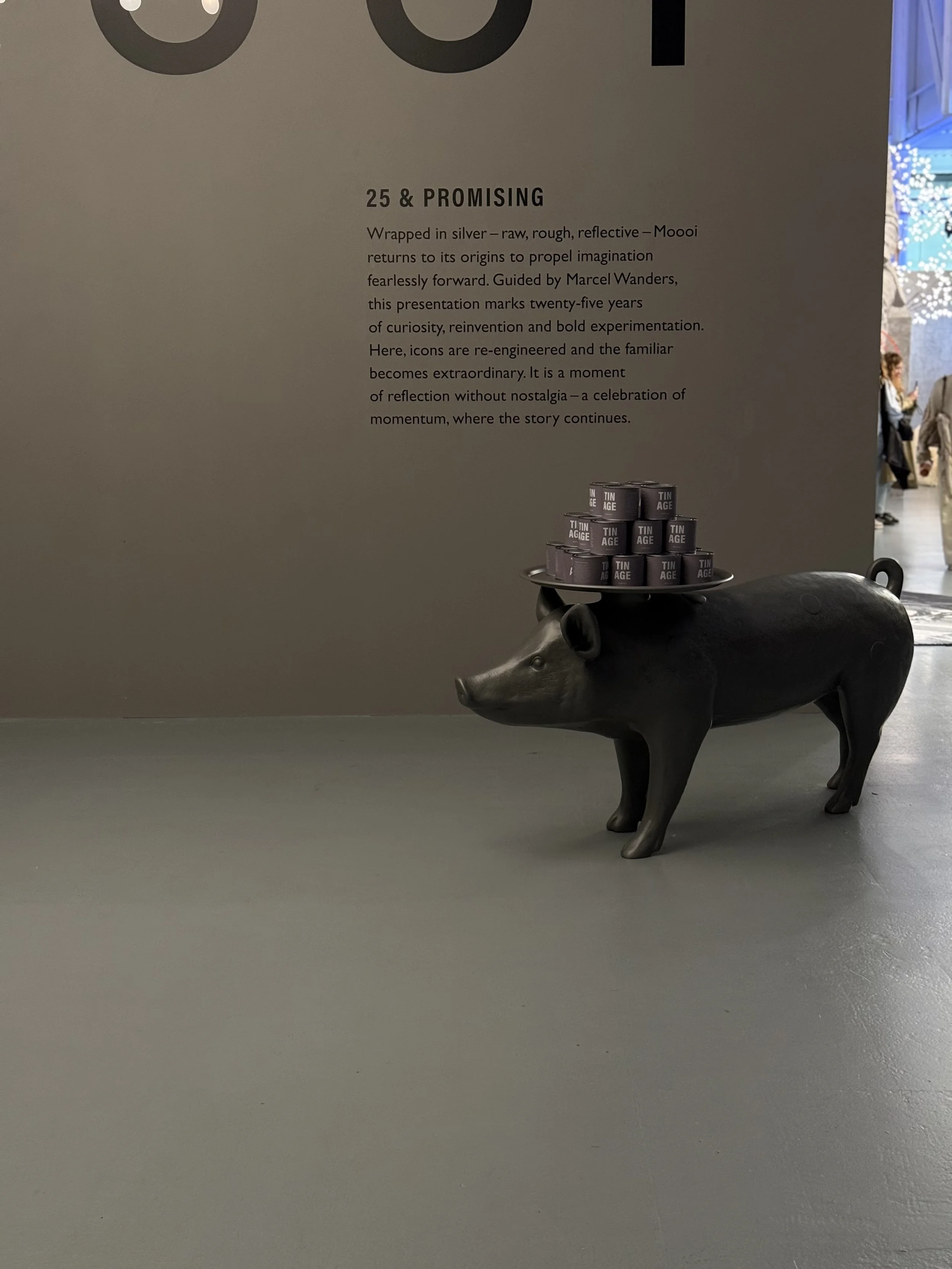
Moooi 25 and Promising at Superstudio Più
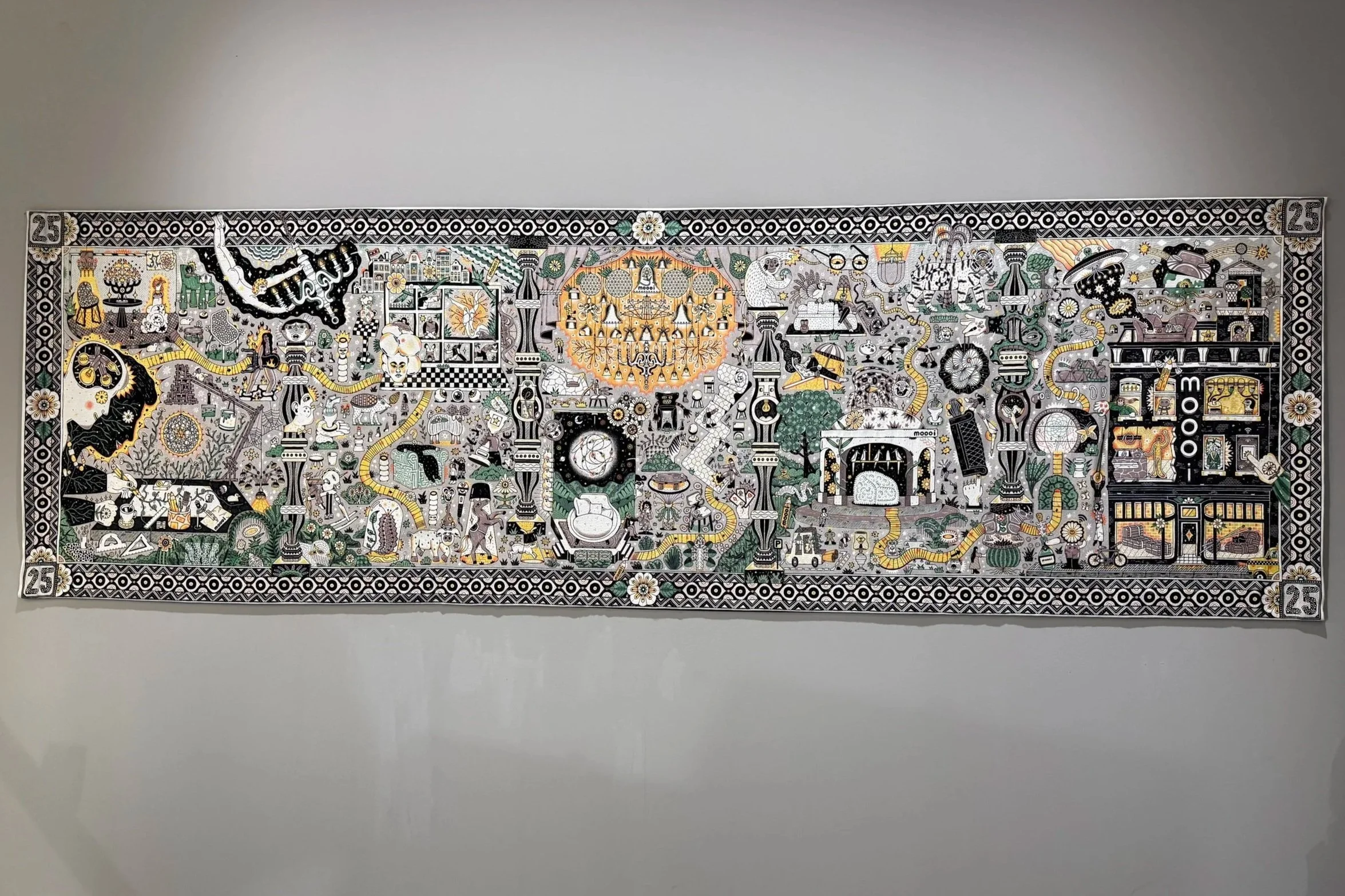
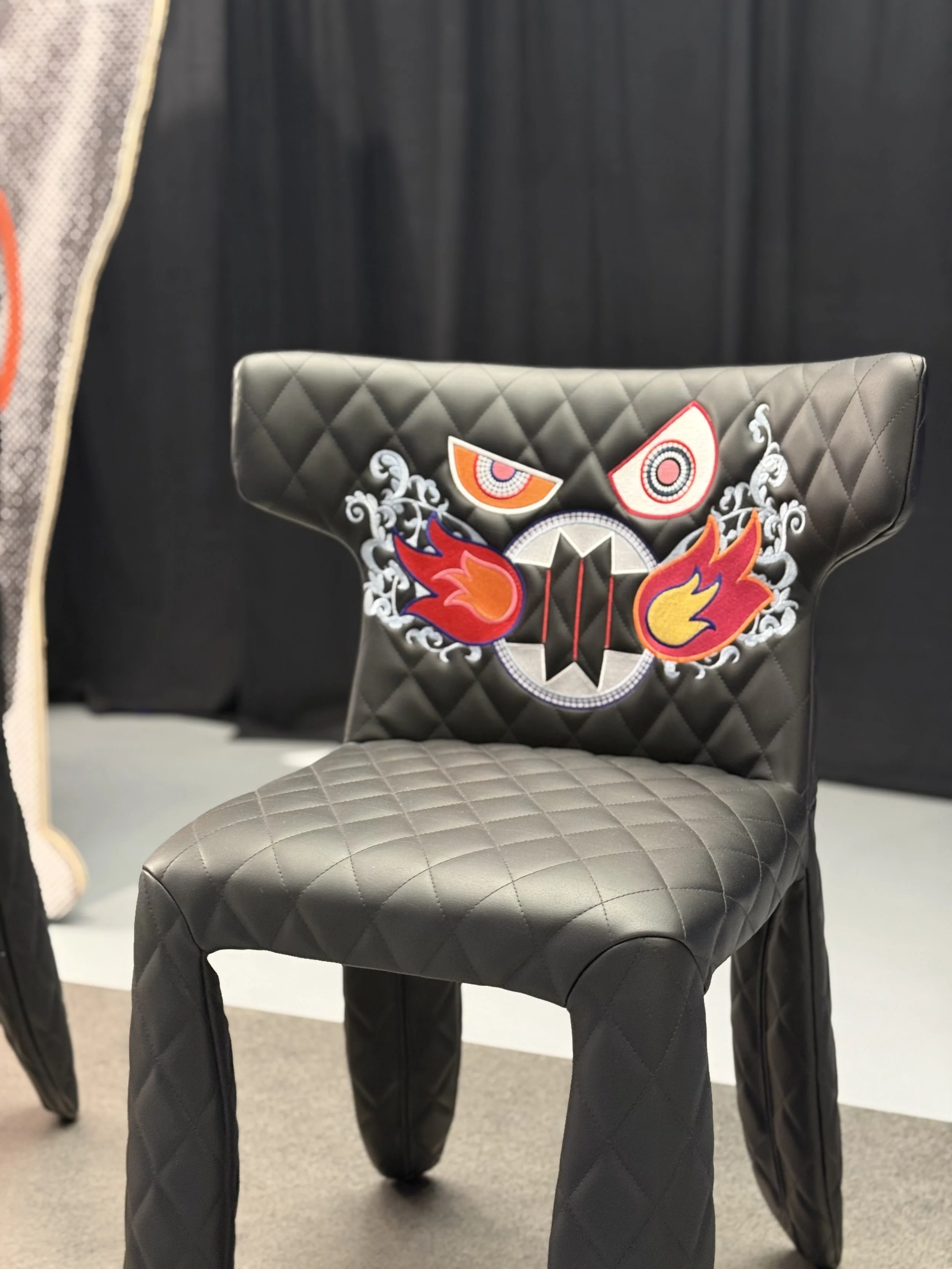
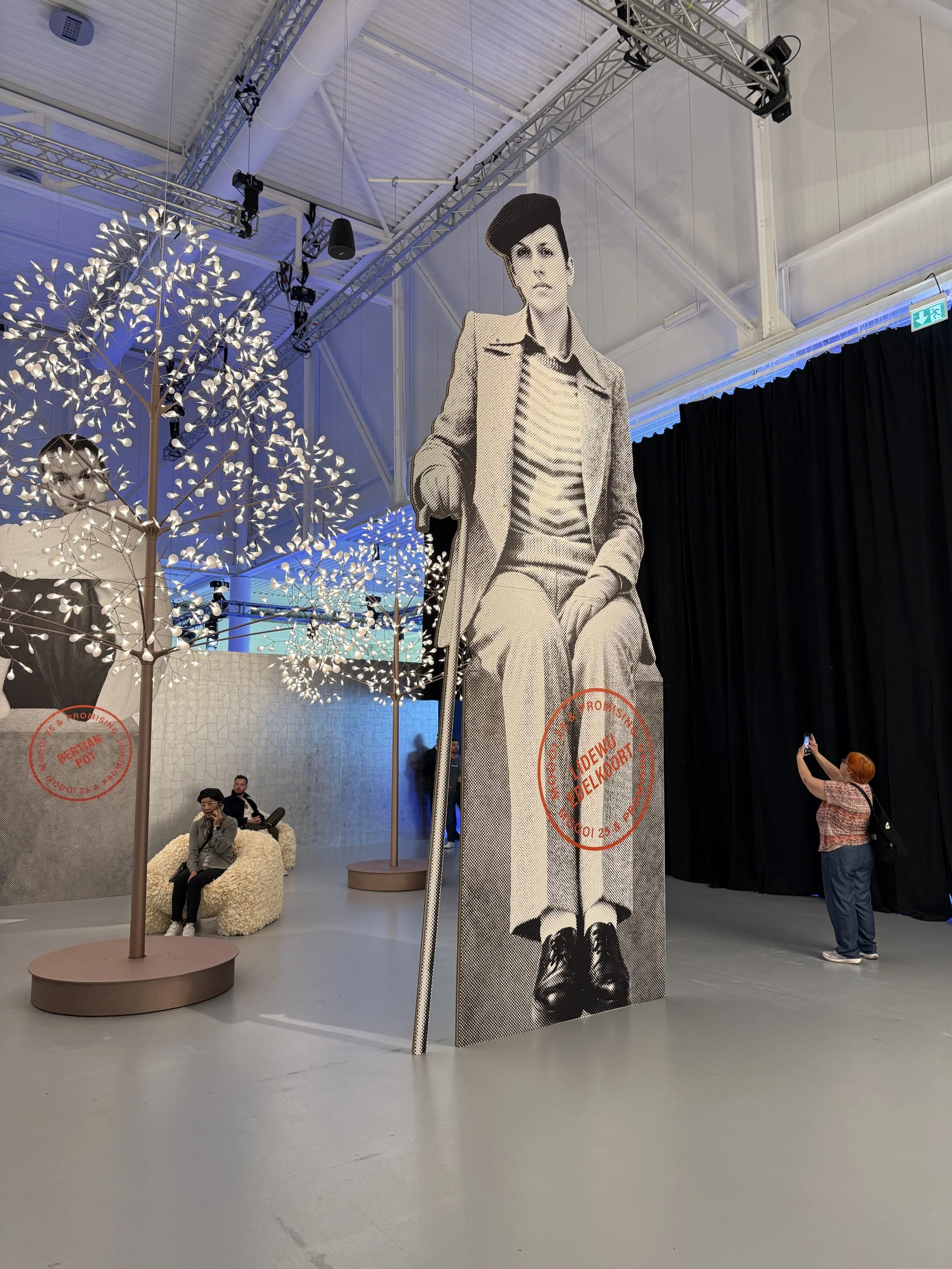
At Superstudio Più, Moooi marked its first quarter-century with an installation celebrating the brand’s iconic pieces. 25 and Promising was characterized by the brand's familiar theatricality — rooms staged like scenography, twenty-five years of work arranged into a continuing conversation. The venue's industrial volumes gave the staging room to breathe, and Moooi took advantage: literal larger than life cardboard cutouts of the brand’s iconic collaborators and designers, a field of spinning Christmas trees, and the centerpiece: a tapestry illustrating the voice and vibe of the brand.
Salone Del Mobile
It’s always important to spend time at Salone itself. Beyond the spectacle of the citywide installations, the fair remains one of the best places to start spotting shifts in upholstery, furnishings, rugs, and materials at a broader industry level.
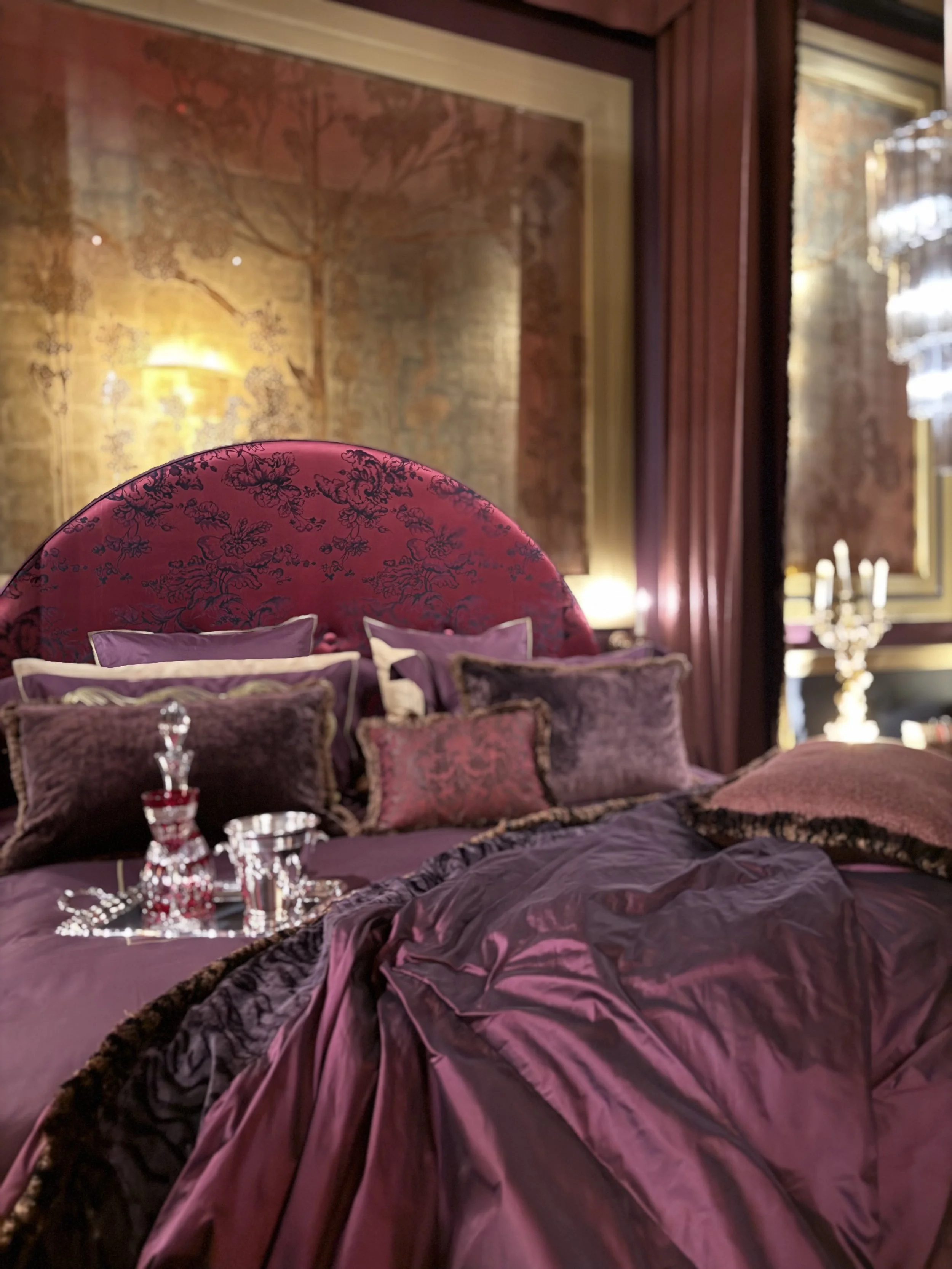
This year, Salone’s main installation was Aurea: An Architectural Fiction by Andrea Castrignano for Maison Numéro 20. Styled like an imaginary grand hotel, complete with lounge and bar spaces, it brought together furnishings and materials from across the fair into a richly layered environment. What worked especially well was the immersive quality: a cinematic soundtrack, fragrance woven into one of the rooms, and an overall atmosphere that enhanced the presentation without distracting from the actual pieces.
Another welcome addition this year was Salone Raritas, which brought together galleries from around the world specializing in collectible and one-of-a-kind design, both contemporary and antique. Seeing those rarer pieces presented to the huge audience of Salone felt exciting and important.
And of course, across the fair itself, hundreds of brands were presenting new work, including many strong textile and rug collections that we’ll be covering in much greater depth in the full report.
SaloneSatellite
SaloneSatellite is always an important stop during the fair. Dedicated to emerging designers, it offers a chance to see what the next generation is thinking about—often with a broader and more experimental perspective than the main halls.
This year felt especially international, with several interesting textile and material-focused presentations coming from Central and South America.
As always with SaloneSatellite, part of the value is simply seeing the range of ideas and approaches being presented at such an early stage.